Own Your Reproductive Future
Fertility is often overshadowed by fear. “Will it happen for me? What if I wait too long?” Yet reproductive health, like all aspects of health, benefits most from early awareness and proactive planning rather than crisis-driven intervention.
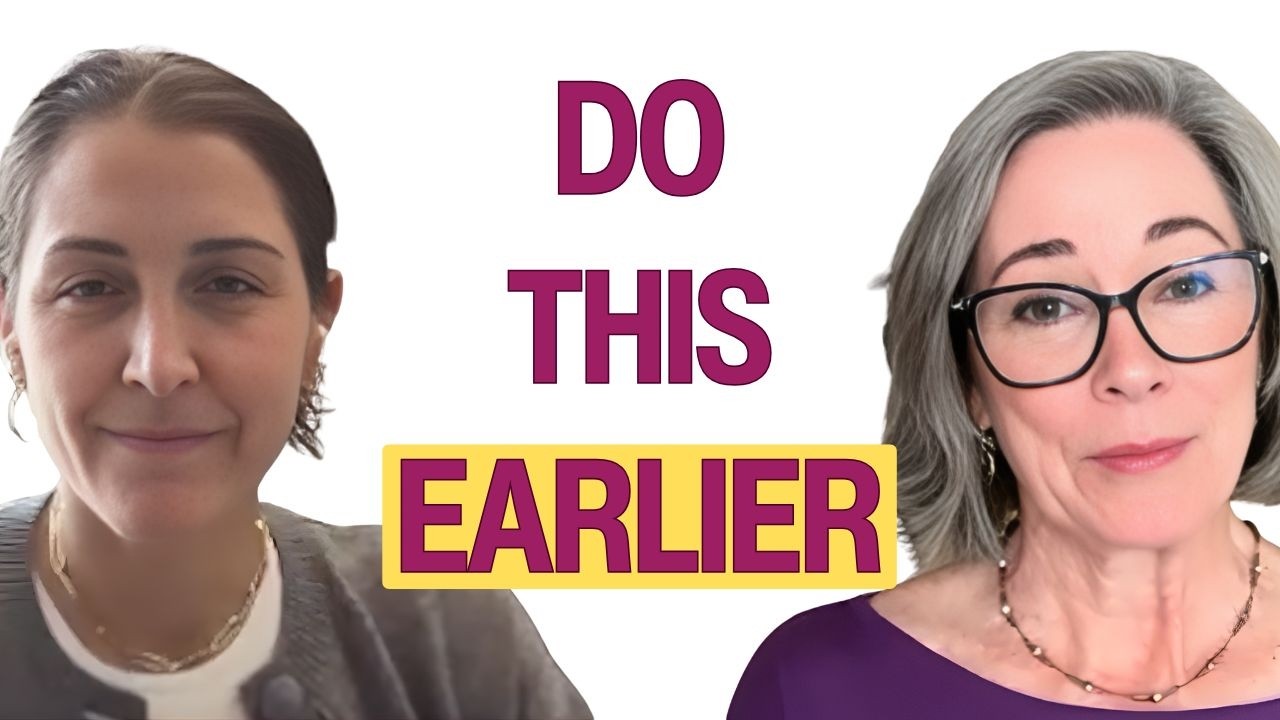
In this episode of Health Youniversity, we explore fertility preservation through the lens of prevention, education, and agency. Joined by reproductive endocrinologist and fertility preservation expert Dr. Jamie Knopman, the conversation reframes egg freezing not as a last resort, but as a forward-looking health decision that allows women to take ownership of their reproductive timelines.
Fertility Preservation Has Evolved
While IVF has existed for decades, egg freezing is a newer and more refined technology. Early attempts at egg freezing were limited by the egg’s high water content and vulnerability to ice crystal damage. Advances in vitrification have transformed outcomes, making egg freezing a reliable and widely used option.
Success rates improve when women freeze their eggs at younger ages, when egg quantity and quality is higher. And fertility preservation is established, effective, and increasingly accessible.
Age, Timing, and Opportunity
Egg quality declines with time, regardless of overall health or lifestyle. From a medical standpoint, the ideal time to freeze eggs is often in the early to mid-20s, when fewer medication cycles are needed because egg quantity is highest. Egg freezing can offer reproductive flexibility—allowing women to pursue education, careers, and relationships without the pressure of a narrowing biological window.
Egg Freezing as Preventive Medicine
Dr. Knopman describes egg freezing as the “sunscreen of fertility.” Like sunscreen, it does not guarantee a particular outcome, but it reduces risk.
To debunk a myth, freezing eggs does not accelerate menopause or deplete future fertility. The eggs retrieved during a cycle are those already selected by the body that month—eggs that would otherwise not be ovulated or used.
What the Process Actually Involves
Egg freezing follows a carefully timed medical process:
Hormonal stimulation supports the maturation of multiple eggs already present that month
Eggs are retrieved through a brief, outpatient procedure under light anesthesia
Retrieved eggs are (frozen) vitrified and stored for future use
Post egg retrieval recovery may include temporary bloating or abdominal discomfort, usually resolving within a few days.. For most patients, the process is far less physically demanding than expected.
Education as Empowerment
One of the most consistent themes in this conversation is the gap in reproductive education. Women are taught how to avoid pregnancy, but rarely how our menstrual cycles actually work.
Earlier education would normalize reproductive health, identify red flags such as irregular cycles or severe pain, and support earlier intervention for conditions like PCOS or endometriosis.
Reproductive literacy leads to informed choice over our family-building timeline.
Expanding Access and Representation
Fertility preservation and family-building are no longer limited to one narrative. LGBTQ+ individuals, same-sex couples, and single parents by choice now have expanding pathways to parenthood.
Insurance coverage and employer fertility benefits have also grown significantly, driven in part by workforce demands and advocacy. Fertility benefits are increasingly recognized as a retention and equity issue.
Access creates possibility. Advocacy creates change.
Fertility Health Is Lifelong Health
Ovarian health plays a role long after baby-making years are in the rear view. It’s crucial to hormonal balance, cognitive health, and overall wellbeing across the lifespan.
Reproductive health does not end when childbearing does—it evolves.
Owning the Future
Fertility preservation is ultimately about agency. It is about understanding the body, respecting its timelines, and making decisions rooted in knowledge.
When women are given accurate information and meaningful access, they are empowered to define their own paths—on their own terms.
Check out all of our episodes on the following platforms:
Register for a free 28-Day Detox Masterclass to improve Your Fertile Health:
https://susanfox1.easywebinar.live/gentle-detox
Know the status of your fertility health. Take our FREE Fertility Quiz now: http://yourfertilityquiz.com/
Fulfill your dream of a family. Know your best options for a healthy pregnancy: https://www.healthyouniversity.co/programs
Boost Employee Productivity by Investing in their Fertility Health. Check out our Corporate Wellness program and know the benefits it can bring to your company: https://www.healthyouniversity.co/corporate-wellness
Dr. Jamie Knopman, board-certified reproductive endocrinologist and co-author of the upcoming book "Own Your Fertility: From Egg Freezing to Surrogacy, How to Take Charge of Your Body and Your Future." Dr. Knopman serves as Director of Fertility Preservation for CCRM Fertility of New York and is a leading advocate for women's reproductive health education.
Website: https://www.ccrmivf.com/locations/us/ny/new-york/jaime-m-knopman/
Medical Disclaimer:
By listening to the Health Youniversity podcast, you agree not to use this podcast as medical advice to treat any medical condition for yourself or others. Consult your healthcare provider for any medical issues you may have. This entire disclaimer also pertains to any guests or contributors to any Health Youniversity podcast.


