Microplastics, Fertility, and Health Sovereignty in a Polluted World
Women’s health does not exist in a vacuum. It is shaped not only by hormones, genetics, and lifestyle, but also by the environments we live in and the exposures we carry with us every day.
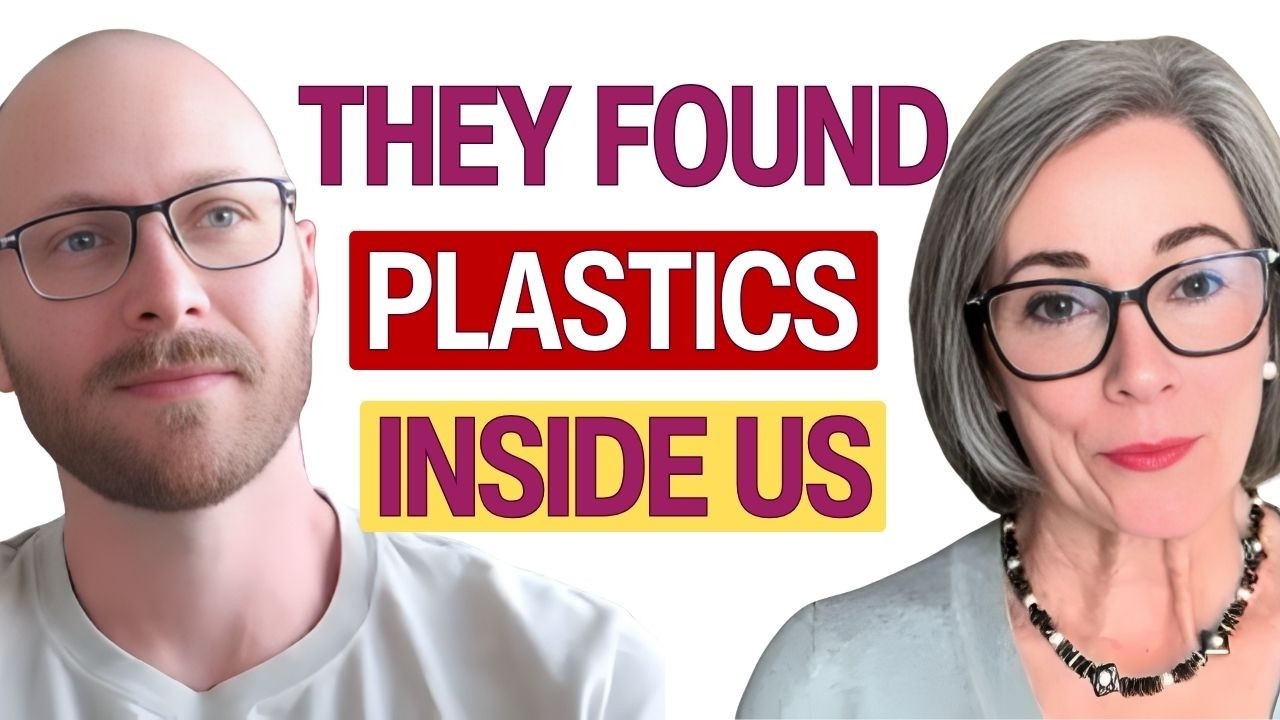
In this episode of Health Youniversity, we explore a growing and unsettling reality: microplastics are now being detected inside the human body, including in follicular fluid, seminal fluid, placental tissue, and the gut. While this research can feel alarming, it also opens the door to a new conversation—one centered on agency, protection, and health sovereignty.
Joined by molecular biologist and biotechnology leader Matt Dunn, we examine what this research means for fertility and long-term health, and how science-backed solutions may help reduce the body’s microplastic burden.
Understanding Microplastic Exposure
Microplastics are no longer an abstract environmental issue. They are now part of daily human exposure, entering the body primarily through food and water, with additional exposure through air and skin contact.
Once inside the body, these particles do not act alone. Plastics often carry chemical additives such as plasticizers, flame retardants, and endocrine-disrupting compounds. They can also transport heavy metals and pathogenic bacteria, creating a complex and cumulative burden on human physiology.
This matters deeply for reproductive health. Early research has identified associations between microplastic presence and altered fetal growth, placental changes, and disruptions to reproductive environments. While science is still evolving, the signals are strong enough to warrant attention rather than dismissal.
The Gut as a Primary Gatekeeper
Approximately 60% of microplastic exposure enters through the gastrointestinal tract, making the gut a critical point of intervention.
The gut is not just a digestive system—it is a central hub for immune regulation, hormone signaling, and detoxification. Supporting gut health plays a foundational role in protecting the body from environmental stressors, especially those encountered daily.
Rather than attempting to eliminate microplastics from the environment entirely—an unrealistic goal in the short term—this conversation focuses on reducing internal exposure by supporting the body’s natural elimination pathways.
How Targeted Probiotics May Help
Not all probiotics function the same way. Certain bacterial strains have a unique ability to bind to microplastics, acting almost like a biological adhesive. Once bound, these particles are escorted through the digestive tract and eliminated from the body.
This mechanism does not rely on absorption or systemic intervention. Instead, it works at the level of the gut lumen, helping reduce the amount of microplastic that crosses into circulation.
Importantly, this approach does not add another supplement to an already crowded routine. It replaces a standard daily probiotic with one designed to support gut health and provide additional environmental protection.
Fertility, Egg Quality, and Long-Term Impact
When discussing fertility, numbers alone tell only part of the story. Egg quality, sperm morphology, and the biochemical environment in which reproductive cells develop are equally critical.
Research suggests that microplastics and their associated chemicals may interfere with cellular integrity and reproductive signaling. Reducing exposure during key windows—such as the months leading up to ovulation, conception, or assisted reproductive cycles—may help support healthier reproductive environments.
While no single intervention can offset every exposure, even modest reductions over time can have meaningful biological effects, particularly when paired with broader lifestyle and environmental awareness.
Health Sovereignty Through Small, Consistent Choices
Health sovereignty is not about perfection. It is about empowerment through informed choice.
In an increasingly polluted world, individuals often feel overwhelmed by the scale of environmental challenges. This episode reframes the conversation, emphasizing that meaningful action does not require radical overhauls. Small, consistent steps—such as filtering water, reducing plastic food heating, choosing cleaner household products, and supporting gut health—can collectively reduce internal burden.
Sovereignty comes from knowing what is within reach and choosing interventions that are practical, evidence-based, and sustainable.
Looking Ahead With Agency
Microplastics are unlikely to disappear from the environment anytime soon. But that does not mean individuals are powerless.
This conversation highlights a shift away from fear and toward informed protection—supporting the body’s resilience while advocating for better systems, better research, and better solutions.
When science and accessibility meet, health becomes something people can actively participate in rather than passively endure.
Check out all of our episodes on the following platforms:
Register for a free 28-Day Detox Masterclass to improve Your Fertile Health:
https://susanfox1.easywebinar.live/gentle-detox
Know the status of your fertility health. Take our FREE Fertility Quiz now: http://yourfertilityquiz.com/
Fulfill your dream of a family. Know your best options for a healthy pregnancy: https://www.healthyouniversity.co/programs
Boost Employee Productivity by Investing in their Fertility Health. Check out our Corporate Wellness program and know the benefits it can bring to your company: https://www.healthyouniversity.co/corporate-wellness
Matt Dunn, PhD, has spent the past decade at the intersection of biotechnology, sustainability, and human health. With a doctorate in Molecular Biology and Biochemistry, he is the co-founder and CEO of Clean Body Biotics, the company behind Winnow™—a probiotic designed to help the body bind and clear microplastics through the gut. His work bridges rigorous science and everyday wellness, creating consumer-friendly solutions to the growing burden of environmental pollution. Together, his team is advancing a new standard of transparent, evidence-based innovation for personal wellbeing in an increasingly polluted world.
Get your Daily Probiotic Start Kit here: https://tinyurl.com/winnowlabs-healthyou
Medical Disclaimer:
By listening to the Health Youniversity podcast, you agree not to use this podcast as medical advice to treat any medical condition for yourself or others. Consult your healthcare provider for any medical issues you may have. This entire disclaimer also pertains to any guests or contributors to any Health Youniversity podcast.


