
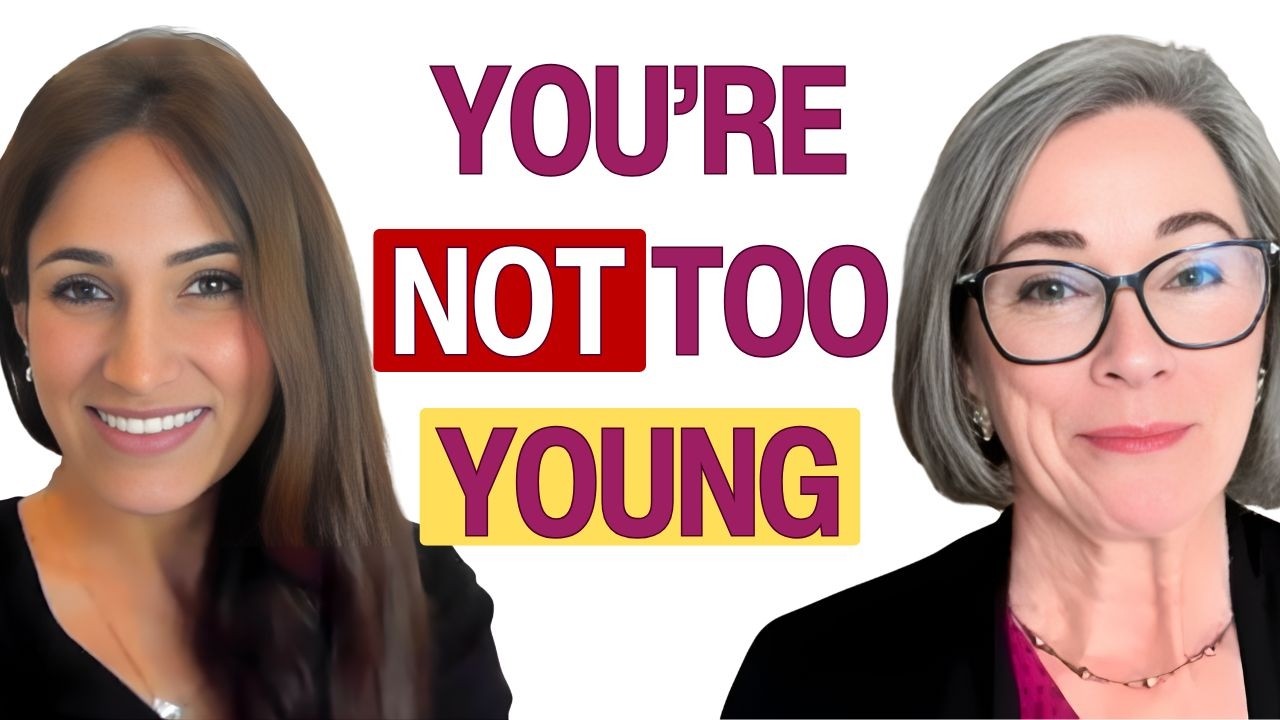
Pre-Perimenopause: The Power of Early Intervention
Women’s health is often discussed in silos — fertility in one chapter, pregnancy in another, menopause somewhere in the distant horizon. Yet there is a connection between these phases; a continuous arc, so knowing what to expect in the next phase helps navigate the experience and support.
In this episode of Health Youniversity, we expand the conversation to include preparing for perimenopause and menopause, long before symptoms become disruptive. Joined by author, therapist, and advocate Lauren Tetenbaum, we explore why education and proactive care are essential.
Why Perimenopause Deserves Earlier Attention
Many women are unprepared for how early and subtly perimenopause can show up. Symptoms can sometimes start in the late 30s or early 40s and frequently appear as mood changes, disrupted sleep, and brain fog — experiences that are often dismissed as stress, parenting exhaustion, or “just life”.
Without context or education, women may internalize these changes or feel dismissed when they seek support. Knowing what to expect allows women to recognize patterns, ask informed questions, and seek care without waiting for symptoms to escalate.
Emotional Health as an Early Signal
Emotional changes are often among the earliest indicators of hormonal shifts. Mood changes such as irritability, anxiety, or sensitivity are meaningful signals from the body.
This episode emphasizes the importance of listening closely, as fluctuations in emotions can provide insight into hormonal shifts, offering an entry point for support before imbalance becomes entrenched.
This perspective reframes emotional health as a trusted guide.
Looking Beyond Hormones Alone
While perimenopause is driven by reproductive hormonal changes, many symptoms overlap with other health conditions, making a broader view essential.
Key areas to evaluate include:
Thyroid health, which can closely mimic perimenopausal symptoms
Sleep quality and consistency, foundational to emotional and cognitive health
Nutrition and potential deficiencies such as iron or vitamin D
Stress load, movement, and social connection
Addressing these factors supports overall resilience and can reduce the intensity of hormonal fluctuations. Lifestyle and self-care is central to long-term health and longevity.
Reframing Hormone Therapy
Much of the hesitation around hormone therapy stems from outdated and erroneous research. An entire generation of women was left without options due to misinterpretations of early studies, causing unnecessary suffering and limited provider support.
Current evidence tells us that hormone therapy is safe, effective, and protective, supporting brain health, bone density, cardiovascular health, and overall quality of life when used appropriately.
What matters most is informed choice. Every woman deserves a conversation about her options, personalized to her health history, goals, and stage of life.
The Role of Community and Support
Perimenopause does not occur in a vacuum. Women often navigate this phase while raising children, building careers, and caring for others — frequently without adequate support.
This episode highlights the importance of:
Flexible workplaces that allow access to care
Collaborative healthcare teams that include mental health, pelvic health, and functional health support
Partners, colleagues, and communities who understand that this transition affects everyone
Changing the Cultural Narrative
Menopause has long been treated as something to endure quietly or joke about dismissively. Yet open conversation reduces stigma and creates pathways for better care. Talking about perimenopause is not just for women in it. Education builds empathy. Empathy builds better systems.
Moving Forward With Intention
Preparing for perimenopause is not about fearing aging. It is about meeting change with information, compassion, and choice.
When women are given tools early, they are better positioned to advocate for themselves, maintain their health, and move into midlife with strength rather than uncertainty. This transition, like every phase of womanhood, deserves preparation — not surprise.
Check out all of our episodes on the following platforms:
Register for a free 28-Day Detox Masterclass to improve Your Fertile Health:
https://susanfox1.easywebinar.live/gentle-detox
Know the status of your fertility health. Take our FREE Fertility Quiz now: http://yourfertilityquiz.com/
Fulfill your dream of a family. Know your best options for a healthy pregnancy: https://www.healthyouniversity.co/programs
Boost Employee Productivity by Investing in their Fertility Health. Check out our Corporate Wellness program and know the benefits it can bring to your company: https://www.healthyouniversity.co/corporate-wellness
Lauren Tetenbaum, LCSW, JD, PMH-C is a licensed clinical social worker, women's rights advocate, and writer dedicated to supporting and empowering women through life transitions.
With experience as both a lawyer and a psychotherapist, Lauren specializes in counseling women navigating identity shifts related to motherhood, career, and reproductive health.
Lauren is the author of the acclaimed 2025 book Millennial Menopause: Preparing for Perimenopause, Menopause, and Life's Next Period.
Website: http://thecounseLaur.com
Instagram: https://www.instagram.com/thecounselaur/
Medical Disclaimer:
By listening to the Health Youniversity podcast, you agree not to use this podcast as medical advice to treat any medical condition for yourself or others. Consult your healthcare provider for any medical issues you may have. This entire disclaimer also pertains to any guests or contributors to any Health Youniversity podcast.