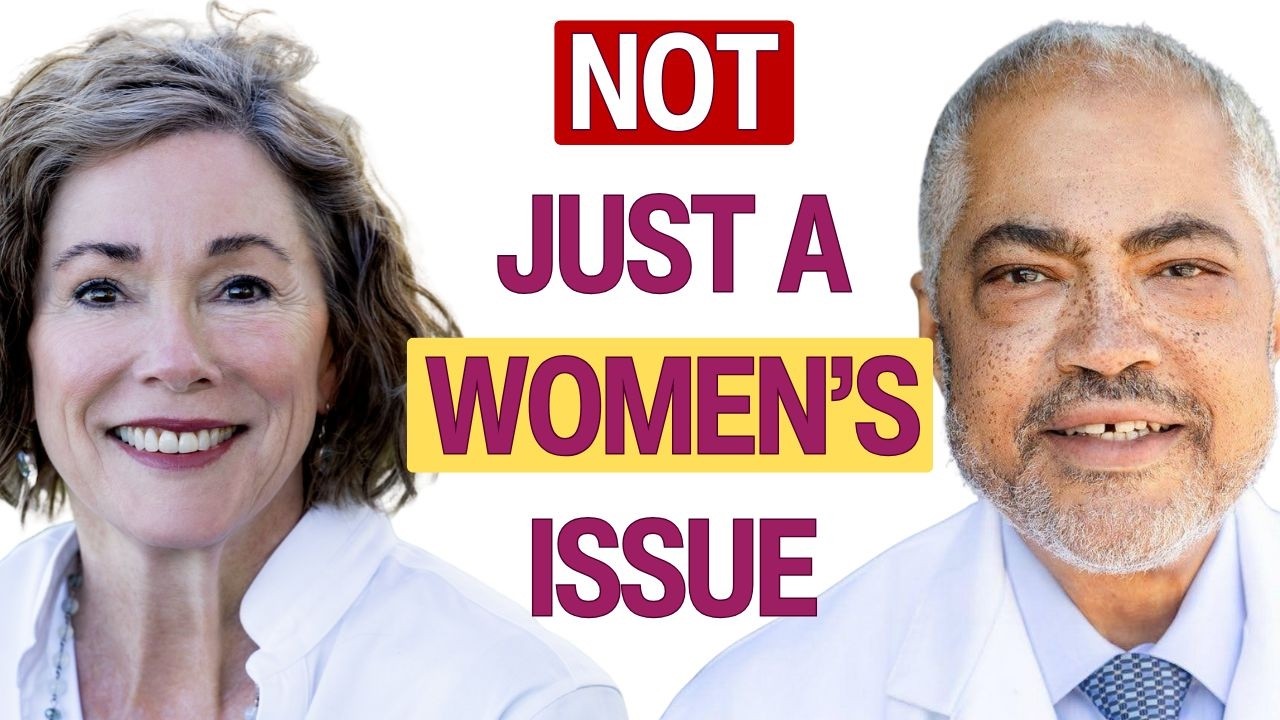
Male Fertility Matters: Reframing Men’s Health as Half the Conversation
Fertility is often framed as a women’s health issue. Yet the science tells a different story: male factor fertility contributes to up to half of all infertility cases. When men’s health is overlooked, couples lose time, clarity, and opportunities for earlier intervention.
In this episode of HealthYouniversity, we shift the lens to men’s reproductive health. Joined by urologist and researcher Dr. Arthur “Bud” Burnett, the conversation explores why male fertility deserves equal attention—and how lifestyle, environment, and emotional wellbeing shape reproductive outcomes.
Male Factor Fertility Is Not an Afterthought
Infertility is commonly approached through the female partner first, often leaving the male evaluation delayed or absent. This imbalance persists despite clear evidence that sperm health plays a critical role in conception.
Male fertility challenges are not rare, nor are they secondary. They reflect broader patterns in men’s health, including metabolic conditions, cardiovascular risk, hormonal regulation, and lifestyle stressors. Addressing male fertility early supports not only reproductive goals, but long-term health outcomes.
What Influences Sperm Health?
Sperm production and function are sensitive to a range of internal and external factors. While genetics can play a role, many contributors are modifiable.
Key associations include:
Metabolic health, including insulin resistance and cardiovascular conditions
Chronic stress and disrupted sleep
Diets high in processed foods and low in nutrient density
Environmental exposures and toxins
Sedentary lifestyle and poor circulation
Importantly, a man does not need to appear unhealthy to experience these effects. Subtle metabolic dysfunction can impair sperm quality even in individuals without obvious symptoms.
When Evaluation Makes Sense
Clinically, infertility is defined as the absence of pregnancy after one year of unprotected intercourse—or six months for older couples. At that point, evaluation of both partners is warranted.
Male evaluation often begins with a semen analysis, assessing factors such as:
Sperm count
Motility (movement)
Morphology (structure and shape)
Motility is frequently the most influential parameter, though all components provide valuable context. More advanced testing, such as DNA fragmentation analysis, may be considered in select cases, particularly in recurrent pregnancy loss or assisted reproduction.
Routine early testing for all men is not currently standard. However, men with known risk factors—such as prior chemotherapy, testicular injury, or toxic exposures—may benefit from earlier assessment.
Lifestyle Changes and Timelines
Sperm production follows a cycle of approximately 72 days, meaning improvements are not immediate. Changes in diet, sleep, stress, and environmental exposure may take several months to influence measurable outcomes.
That said, lifestyle interventions remain foundational. Supporting circulation, reducing inflammation, optimizing metabolic health, and prioritizing rest all contribute to healthier sperm development over time.
While precise timelines vary, consistency matters more than perfection.
Men’s Health, Mental Health, and Identity
Reproductive challenges often intersect with mental health, performance anxiety, and self-worth—yet men are frequently discouraged from expressing vulnerability or seeking help.
Cultural expectations around masculinity, sexual performance, and emotional suppression can compound distress and delay care. Addressing male fertility requires acknowledging the mind–body connection, normalizing open dialogue, and removing stigma from seeking support.
Men’s reproductive health does not exist in isolation. It influences relationships, family dynamics, and community wellbeing.
Reimagining Preventive Care for Men
Unlike women, many men disengage from healthcare after adolescence, sometimes for decades. This gap leaves preventable conditions undetected until later stages.
Establishing a relationship with a primary care provider in early adulthood—even for periodic wellness visits—can identify risk factors early and create continuity of care. Preventive health is not a sign of weakness; it is an investment in longevity and resilience.
Looking Forward
Advances in genetics, diagnostics, and data-driven medicine are expanding the future of male reproductive care. Improved screening tools and personalized approaches hold promise—but foundational lifestyle and preventive strategies remain essential.
Male fertility is not a niche topic. It is central to reproductive success, family health, and societal wellbeing.
Recognizing men’s health as half the conversation is not optional—it is necessary.
Check out all of our episodes on the following platforms:
Register for a free 28-Day Detox Masterclass to improve Your Fertile Health:
https://susanfox1.easywebinar.live/gentle-detox
Know the status of your fertility health. Take our FREE Fertility Quiz now: http://yourfertilityquiz.com/
Fulfill your dream of a family. Know your best options for a healthy pregnancy: https://www.healthyouniversity.co/programs
Boost Employee Productivity by Investing in their Fertility Health. Check out our Corporate Wellness program and know the benefits it can bring to your company: https://www.healthyouniversity.co/corporate-wellness
Arthur L. “Bud” Burnett II, M.D., MBA, FACS, is a trail-blazing and globally recognized urologist, educator, and researcher at Johns Hopkins University, where he has worked for more than 40 years. He serves as Professor of Urology and Director of the Male Consultation Clinic. Dr. Burnett has performed thousands of prostate and urologic surgeries and pioneered minimally invasive techniques that help patients recover. His groundbreaking research on erectile function helped make oral therapies like Viagra possible.
Website: https://drarthurburnett.com/
Medical Disclaimer:
By listening to the Health Youniversity podcast, you agree not to use this podcast as medical advice to treat any medical condition for yourself or others. Consult your healthcare provider for any medical issues you may have. This entire disclaimer also pertains to any guests or contributors to any Health Youniversity podcast.


