Hormones and Mental Health: Discover the Hidden Connection
Hormonal shifts influence far more than our cycles — they quietly shape how we think, feel, cope, and move through the world.
From energy and focus to stress tolerance and emotional steadiness, these internal rhythms affect daily life in ways we sometimes overlook.
This week at Health Youniversity, we explore the connection between hormones and mental health through the lens of psychiatrist Dr. Lauren LaRose, who regularly sees mood changes linked to menstrual cycles, thyroid dysfunction, puberty, and reproductive hormone shifts. Her integrative perspective helps women understand why emotional symptoms often reflect deeper physiological patterns and how a root-cause approach can support both hormonal balance and mental well-being.
How Hormones Influence Emotional Well-Being
Hormonal changes can influence how a woman feels throughout the month, especially at predictable points like ovulation and the days before a period. Many women experience shifts every two weeks — irritability, emotional blunting, heightened sensitivity, or reduced motivation — even when nothing in their external life has changed. Over time, these repeating patterns can affect daily routines, relationships, and overall sense of stability.
These emotional changes often connect back to deeper hormonal influences, including:
Estrogen & Progesterone Patterns: These hormones guide the natural rhythm of the menstrual cycle. When their fluctuations are abrupt or unbalanced, the body’s ability to maintain emotional stability can be disrupted.
Thyroid Health & Emotional Stability: Thyroid dysfunction can affect mood and energy leaving us feeling “wired & tired”.
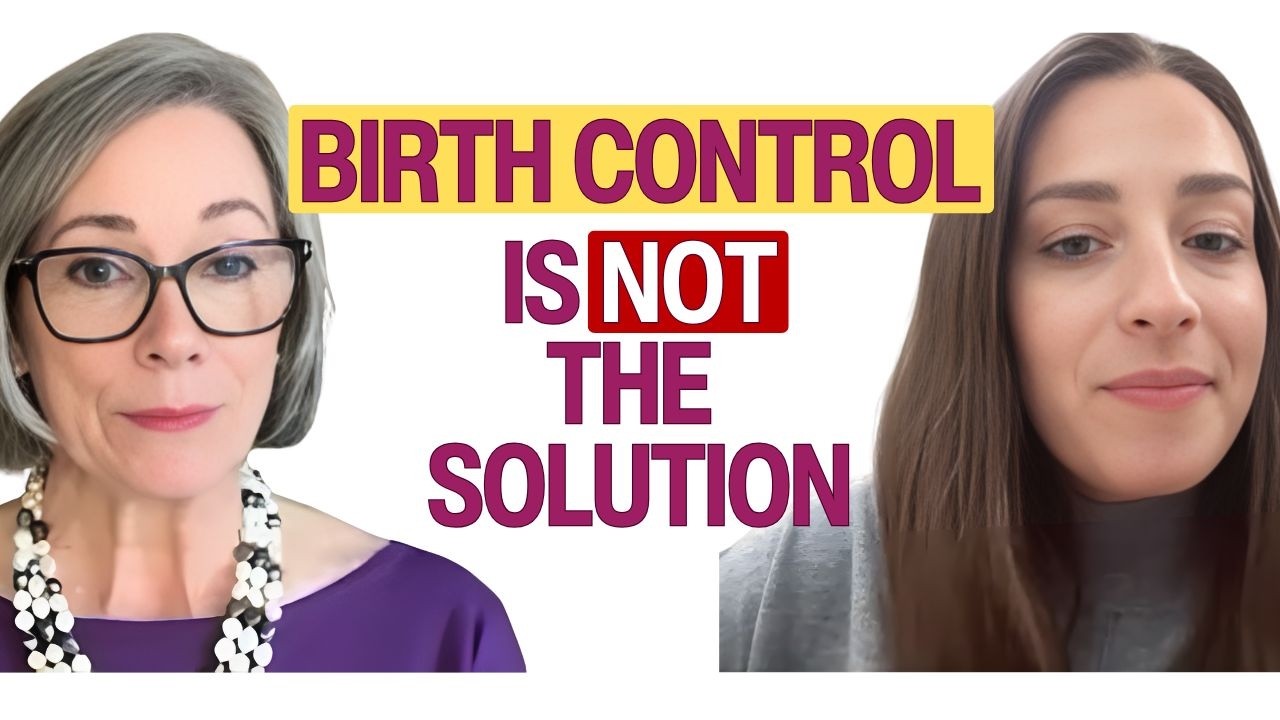
Hormonal Birth Control & Mood Shifts: Synthetic hormones can influence how the body regulates emotion. Some women respond poorly to certain formulations, while others notice emotional changes when discontinuing birth control as their system recalibrates.
Across these scenarios, one pattern stands out: emotional symptoms often reflect hormonal rhythms. Recognizing these signals helps women find support that addresses the root cause rather than assuming the issue is purely psychological.
Hormone Health & Fertility
Hormonal balance plays a central role in fertility, shaping everything from cycle regularity to ovulation, implantation, and early pregnancy stability. Irregular cycles, low progesterone, or thyroid dysfunction can disrupt these processes, and many women spend years searching for answers without realizing that the same hormonal patterns affecting their mood may also be impacting their ability to conceive.
These issues often carry emotional weight as well. Women facing difficulty conceiving or experiencing recurrent pregnancy loss frequently describe grief, anxiety, and a sense of failure. And the emotional toll can deepen — not because women are overly sensitive, but because their physiology and emotions are working harder than they should.
Root-Cause Approach to Fertility & Mood
Addressing fertility and emotional symptoms from a root-cause perspective can create meaningful improvements in both reproductive outcomes and overall well-being. Rather than treating individual symptoms in isolation, this approach looks at the hormonal patterns that influence mood, cycle regularity, and early pregnancy stability.
Integrative strategies often include:
Comprehensive Hormone Evaluation: Assessing patterns, timing, and relationships between hormones to uncover imbalances that standard testing may miss.
Cycle Tracking & Symptom Mapping: Identifying recurring patterns that affect both emotional steadiness and fertility.
Thyroid Assessment Beyond Basic Labs: Including antibody testing to detect dysfunction that may contribute to low mood, fatigue, or difficulty conceiving.
Support for Healthy Progesterone Levels: Addressing deficiencies that can influence implantation, early pregnancy viability, and emotional stability throughout the luteal phase.
Teen Hormonal Health & Mental Wellness
Adolescence brings rapid hormonal shifts and ongoing brain development, making teens especially sensitive to emotional changes. These patterns are often misunderstood as simple “teen behavior,” even though many symptoms reflect underlying hormonal rhythms that need attention.
Puberty & Emotional Regulation: Hormone fluctuations during puberty can intensify mood swings and emotional reactivity, making feelings seem bigger or harder to control. These responses reflect a developing system, not a lack of maturity.
Modern Lifestyle Stressors: Limited sleep, late-night screen use, processed diets, and chronic stress disrupt hormonal balance in teens. These factors can heighten emotional instability and make it more difficult for adolescents to feel grounded.
Rethinking Birth Control for Teens: Birth control is often offered as a quick fix for mood symptoms or irregular cycles, but it can mask the underlying issues driving those symptoms. A deeper evaluation of hormonal patterns, sleep, nutrition, and thyroid health provides clearer answers before introducing synthetic hormones.
Lifestyle Pillars for Hormonal & Emotional Health
Foundational daily habits play a powerful role in stabilizing hormones, supporting neurotransmitter activity, and strengthening emotional resilience. When these pillars are in place, the body is better equipped to regulate mood, manage stress, and maintain hormonal balance.
Nutrition & the Gut-Brain-Hormone Connection: The quality of the diet directly influences inflammation, gut health, and how neurotransmitters are produced and metabolized. A nutrient-dense, minimally processed diet supports steadier hormones and a more balanced emotional landscape.
Sleep as a Hormonal Regulator: Restorative sleep is essential for emotional stability and hormone production. Circadian rhythm disruptions, late-night screen exposure, and inconsistent sleep schedules suppress melatonin and strain the system that regulates cortisol, mood, and hormonal rhythm.
Movement, Sunlight & Stress Regulation: Physical activity, outdoor light exposure, and nervous system-calming practices help regulate cortisol and support emotional steadiness. These daily rhythms signal safety to the body, making it easier to maintain hormonal and emotional balance.
Check out all of our episodes on the following platforms:
Register for a free 28-Day Detox Masterclass to improve Your Fertile Health:
https://susanfox1.easywebinar.live/gentle-detox
Know the status of your fertility health. Take our FREE Fertility Quiz now: http://yourfertilityquiz.com/
Fulfill your dream of a family. Know your best options for a healthy pregnancy: https://www.healthyouniversity.co/programs
Boost Employee Productivity by Investing in their Fertility Health. Check out our Corporate Wellness program and know the benefits it can bring to your company: https://www.healthyouniversity.co/corporate-wellness
Dr. Lauren LaRose is a board-certified Child, Adolescent, and Adult Psychiatrist who uses a holistic, integrative approach to support the mental and emotional health of children, teens, and adults. Drawing on her clinical work, her Little Brain Campaign podcast, and her personal experience with hormonal imbalance, she offers compassionate, whole-person care to women, teenage girls, and families seeking lasting well-being.
Email: [email protected]
Website: https://linktr.ee/thelittlebraincampaign
Medical Disclaimer:
By listening to the Health Youniversity podcast, you agree not to use this podcast as medical advice to treat any medical condition for yourself or others. Consult your healthcare provider for any medical issues you may have. This entire disclaimer also pertains to any guests or contributors to any Health Youniversity podcast.


