Egg Freezing + Egg Sharing: A Human Way to Build Families
Fertility care is often discussed through timelines, numbers, and urgency. How many eggs are left? How old are they? What are the chances? How quickly should someone act?
These questions matter, but they do not tell the whole story.
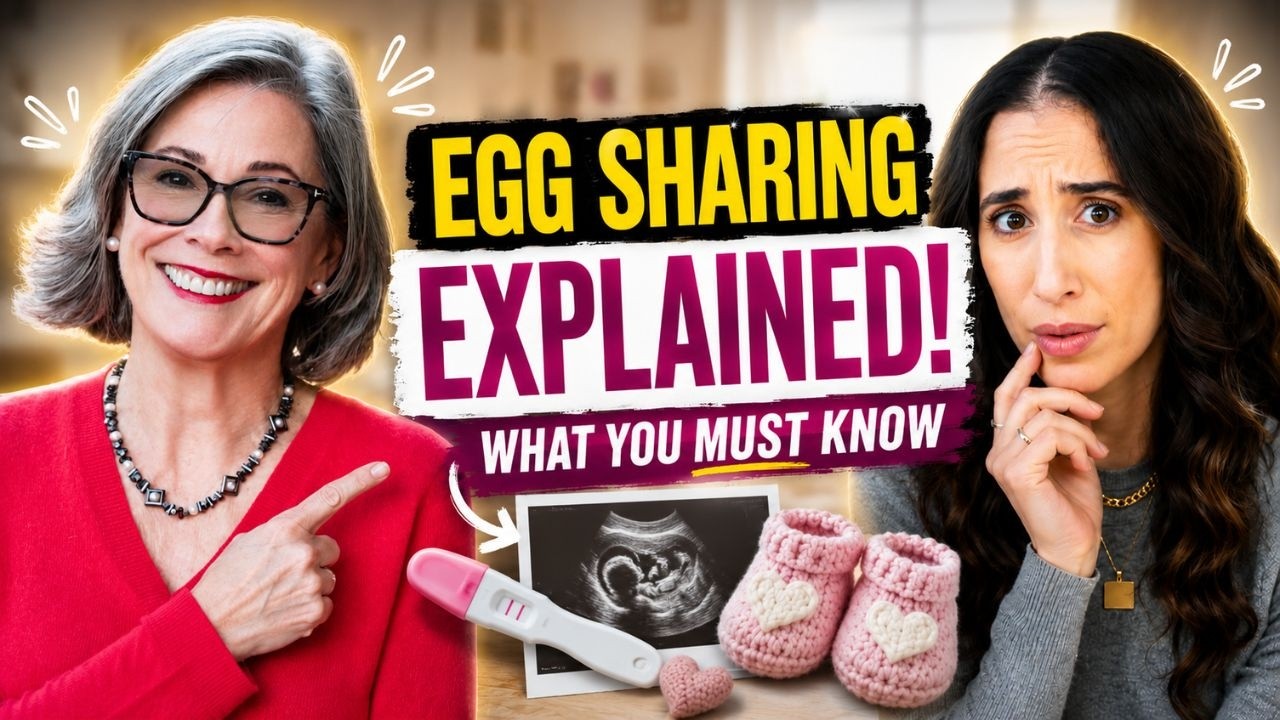
Let’s explore egg freezing, and sharing vs. donation as part of a larger discussion about reproductive choice. At the center is a model that allows women to freeze their eggs for free when they donate half, creating a pathway that can make egg freezing more accessible while also helping intended parents build their families.
This is a conversation about access, transparency, dignity, and how we can make fertility care feel less transactional and more human.
Why Fertility Planning Should Start Earlier
Many women start to think about fertility when they are ready to have a baby. Until then, their focus is on contraception. Age, ovarian reserve, family goals, career timing, medical history, and relationship status all shape what options may look like “later”.
Every woman deserves information on her fertile health. A blood test or an antral follicle count can provide a clearer picture of ovarian reserve.
“Do I want children?” is the first question, but it should be immediately followed by, “How many children might I want, and "When do I imagine starting my family?” The person who wishes to have one child may plan differently than someone who hopes to have two or more. Moreover, someone in a long training path such as in the field of medicine, or someone with, a demanding career, may need a different conversation.
Egg Freezing Offers Assurance, Not a Guarantee
Egg freezing is sometimes described as an insurance policy, but that is misleading. Frozen eggs do not guarantee a future baby. A better word may be assurance.
Freezing eggs offers breathing room and can reduce the pressure of the biological clock while a person is deciding on relationships, career, education, health, or family size.
This can be especially meaningful for women facing medical uncertainty. In the episode, the origin story begins with a rare disease diagnosis and the possibility of losing ovarian function through necessary surgeries. In that kind of moment, fertility preservation becomes a way to hold onto possibility during a deeply uncertain time.
Egg freezing can provide meaningful peace of mind.
Rethinking Egg Donation
Traditional egg donation is transactional. Compensation to a donor may vary depending on education, background, race, religion, heritage, prior donation success rates.
The episode raises an important question: why has egg donation been allowed to operate this way when other forms of donation, such as blood or organ donation, are not treated in the same manner?
There is also the issue of anonymity. In a world where consumer DNA testing exists, no donation can truly be anonymous. Donor-conceived children may one day have access to genetic information whether or not their parents planned for that possibility.
Transparency matters. Systems that rely on secrecy are no longer aligned with the world we live in, and they do not serve donors, intended parents, or future children well.
Egg Sharing as a More Accessible Model
Egg sharing offers a model in which a woman can freeze her eggs at no cost when she donates half of the eggs retrieved.
This creates a mutual benefit. The woman freezing her eggs gains access to fertility preservation that may otherwise be out of reach. Intended parents gain access to donor eggs through a process that is designed to be more transparent and less transactional.
The motivation also changes. Instead of donating primarily for cash compensation, the donor is making a choice that supports both her own reproductive future and another family’s hopes. This kind of structure expands access while also creating a more thoughtful relationship between egg freezing and egg donation.
What Women Should Know Before Freezing Eggs
Before freezing eggs, it is helpful to think about personal family-building goals. How many children might you want? When might you want to begin? Would preserving eggs offer more flexibility than creating embryos?
This distinction matters. Egg freezing preserves choice. Egg freezing technology has improved significantly, and vitrification has made egg thawing more successful than it once was.
What Intended Parents Should Know About Donor Eggs
For intended parents, especially women over 40 going through IVF, donor eggs are common.. Nearly one in three women over 40 going through IVF may be using donor eggs.
Yet egg donation remains one of infertility's secrets. Many families do not talk openly about donor conception, which can make intended parents feel isolated or ashamed.
Intended parents deserve support not only in finding a donor, but in understanding disclosure, genetic identity, and how to speak with their child about their story from the very beginning. When children grow up knowing their story,it becomes part of the family story.
Why Family Limits and Disclosure Matter
A more human-centered egg donation model considers the future child. One issue raised in the episode is the lack of strict limits in traditional egg donation. If one donor’s eggs are divided across many retrievals and many families, the number of genetically related children can grow quickly.
Limiting the number of families connected to one donor makes future contact and genetic relationships more manageable. It also recognizes that donor-conceived people may one day want access to information about their origins.
Disclosure preferences also matter. Some donors may want a disclosed match. Some intended parents may prefer more openness. Others may want a different level of contact. The key is alignment, informed consent, and respect for the people who will live with these decisions long after the cycle is complete.
A More Thoughtful Way Forward
Fertility care is changing as families are changing. People are having children later. More families are being built through IVF, egg donation, sperm donation, surrogacy, and other forms of assisted reproduction. More people are asking for transparency, and more donor-conceived adults are sharing what they wish had been done differently.
The episode invites us to think beyond the fastest path to a baby and toward the most thoughtful path to a family. That includes access to information, fairer systems, realistic expectations, and choices that honor the donor, the intended parents, and the future child.
Final Reflection
Egg freezing and egg donation are deeply personal decisions about timing, possibility, identity, generosity, and family.
Women considering egg freezing deserve access to clear information and options. Intended parents deserve donor pathways that feel transparent and dignified. Donor-conceived children deserve systems that consider their future from the very beginning.
At Health Youniversity, we believe fertility care should support the whole person and the whole family story. When reproductive choices are made with clarity, care, and transparency, fertility care becomes less about transactions and more about trust.
And trust is a beautiful place for family building to begin. Support your fertility journey with Preconception Plan at Health Youniversity.
Check out all of our episodes on the following platforms:
Lauren Makler is the Co-Founder and CEO of Cofertility, a human-first fertility ecosystem that helps women freeze their eggs for free when donating half, making egg donation less transactional and egg freezing more accessible. Named one of Inc’s 2025 Female Founder 500 and Fast Company’s 2023 Most Creative People in Business, as well as featured in top press outlets including Vogue, Forbes, Entrepreneur, Marie Claire, Women's Health and many more, Lauren is recognized for her innovative approach to increasing accessibility and driving systemic change in healthcare.
Previously, as an early Uber employee, she founded Uber Health, leveraging Uber’s vast driver network to improve healthcare outcomes through patient transportation and healthcare delivery. Under her leadership, the business helped millions of patients access the care they needed. Before that, she played a key role in expanding Uber’s core business along the East Coast and led the company’s first healthcare initiative—nationwide, on-demand flu shot campaigns.
After receiving a rare disease diagnosis, Lauren’s personal fertility journey inspired her to create a more accessible, empowering path for those looking to freeze their eggs or find an egg donor. She lives in Los Angeles with her husband and their miracle babies, Eden and Jonah.
Website: https://www.cofertility.com/
Medical Disclaimer:
By listening to the Health Youniversity podcast, you agree not to use this podcast as medical advice to treat any medical condition for yourself or others. Consult your healthcare provider for any medical issues you may have. This entire disclaimer also pertains to any guests or contributors to any Health Youniversity podcast.