

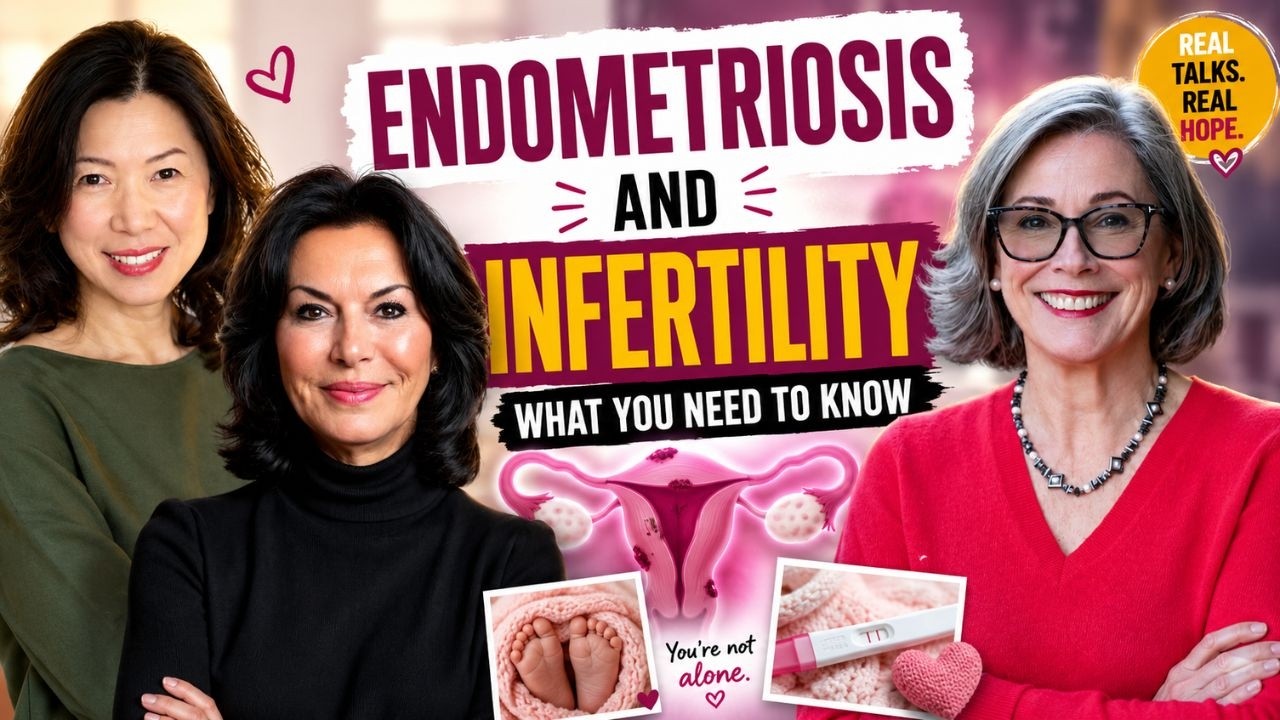
Diagnosing Endometriosis with a simple Blood Test
Key Takeaways
Endometriosis is often missed because symptoms vary widely. Some women experience severe period pain, pelvic pain, pain with intercourse, or digestive symptoms, while others may have few or no obvious symptoms.
Endometriosis may play a role in unexplained infertility and failed IVF transfers. The article highlights inflammation, immune response, and changes in the pelvic and uterine environment as possible factors affecting fertility and implantation.
HerResolve is a blood test designed to look for evidence of endometriosis. It may provide additional information for patients with painful periods, unexplained infertility, or failed embryo transfers without immediately pursuing invasive testing.
Both positive and negative test results may help guide next steps. A positive result may support further evaluation or treatment before another fertility cycle, while a negative result may help the care team investigate other possible causes.
Pain should not automatically be dismissed as normal. Earlier recognition and investigation of symptoms may help patients reach a clearer diagnosis and fertility plan
Endometriosis can be difficult to identify because symptoms range from severe menstrual and pelvic pain to digestive complaints or no obvious symptoms at all. It may also be associated with unexplained infertility and failed IVF transfers. HerResolve is a blood test from HerAnova designed to look for evidence of endometriosis using a single blood sample. According to the article, it may help patients and fertility providers decide whether endometriosis deserves further investigation before another treatment cycle or embryo transfer. The test should be considered part of a broader clinical evaluation rather than a stand-alone replacement for individualized medical care.
Endometriosis has been in the shadows of women’s health for far too long. Women are told that painful periods are normal, to take pain medication and push through. Some are sent from specialist to specialist for years before anyone asks…
Could this be endometriosis?
For women trying to conceive, endometriosis can affect the pelvic environment, the immune response, inflammation, and embryo transfer outcomes. Yet it has often been difficult to confirm without invasive testing.
HerResolve from HerAnova is a blood test that looks for evidence of endometriosis. For patients who have lived with pain, unexplained infertility, or failed IVF transfers this test can provide early detection and treatment options.
Pain Is a Signal
Painful periods may be common, but that does not mean they are normal. Pain is a signal that the body is asking for attention.
Women may miss school, work, or otherwise construct their lives around monthly pain. The problem with normalizing pain is that it delays care. A woman may not ask for help until she is trying to conceive years later. By then, what once was “just period pain” may now be part of a fertility problem.
Why Endometriosis Is Often Missed
Endometriosis can be difficult to identify because symptoms are not always obvious. Some women have severe pain while ohers have symptoms that look like digestive issues. Some have pain with intercourse or pelvic discomfort. Some have no clear symptoms at all.
That creates a challenge in the IVF setting. A patient may have a beautiful embryo and a carefully planned transfer. But if endometriosis is present, the uterine and pelvic environment may be hostile to implantation.
For many years, invasive laparoscopy surgery has been the method to diagnose and treat endometriosis, and any patients and providers hesitate to pursue it unless symptoms are severe.
When symptoms are subtle, the endometriosis may remain unresolved, causing the patient to move forward without clear data and the provider to move forward without a change in plan.
Endometriosis and Unexplained Infertility
Endometriosis may be the cause of up to 40% of unexplained infertility cases. Unexplained infertility can leave patients feeling hopeless and frightened. When testing looks normal, cycles look normal, and embryos look promising, the lack of an answer can feel especially painful. A failed transfer of a euploid embryo can be devastating.
Endometriosis gives the care team another possibility to consider. While it does not explain every case., it should be investigated.
The Beauty of a Blood Test for Endo
HerResolve is a single vial test that helps identify evidence of endometriosis. Dr. Fox has already seen patients with failed IVF transfers receive positive HerResolve results despite having no obvious symptom picture.
That kind of result can support a more informed decision about whether treatment is needed before another embryo transfer.
The value is not only in getting a positive result. A negative result also matters. It can help the care team look in a different direction.
“It Is Not You. It is Endo.”
Many women carry shame around their symptoms. They wonder if they are exaggerating or if the pain is somehow their fault.
A diagnosis of endometriosis can shift the conversation from symptoms to diagnosis. Once identified, a treatment plan can be made.
A Systemic Disease Needs Better Recognition
Endometriosis is often described as a pelvic condition. Yet it behaves more like a systemic disease, because inflammatory signals affect the body beyond the pelvis.
Retrograde menstruation has erroneously been stated as the cause of endometriosis. Yet while many women experience retrograde menstruation, not all develop endometriosis.
The disease is complex and involves genetics, environment, inflammation, and immune response to name a few. Better testing may help researchers and clinicians understand those mechanisms more clearly. As patients are diagnosed earlier, research and science can also improve.
What Patients Can Ask Their Providers
If painful periods, pelvic pain, unexplained infertility, or failed IVF transfers are part of your story, it may be worth asking your provider about endometriosis testing.
You can ask whether endometriosis could be affecting your fertility plan. You can ask whether additional testing makes sense before another transfer. You can ask whether a blood test such as HerResolve is available through your clinic or a provider near you. HerAnova also offers at-home blood draws in some areas.
Ask Better Questions Before the Next Step
Endometriosis can be painful, confusing, and can deeply disrupt quality of life. A more accessible diagnostic tool such as HerResolve gives women and providers a chance to better assess and treat before the next transfer, the next cycle,
At Health Youniversity, we believe women deserve healthcare that listens sooner. Pain should not be dismissed as normal. Failed transfers should not be met with a shrug and a recommendation to try again. And women should not have to wait years for someone to take their symptoms seriously.
If this conversation sounds familiar, reach out to Dr. Susan and HerAnova. Ask about HerResolve endometriosis testing to better prepare for next steps.
Support your fertility journey with Preconception Plan at Health Youniversity.
Frequently Asked Questions - FAQs
Can endometriosis be detected with a blood test?
The article discusses HerResolve, a single-vial blood test designed to look for evidence associated with endometriosis. It may provide additional information when symptoms, unexplained infertility, or failed IVF transfers raise concern about the condition.
What is the HerResolve endometriosis test?
HerResolve is a blood test developed by HerAnova that looks for evidence of endometriosis. The article presents it as a less invasive way to gather additional information that may help patients and providers determine appropriate next steps.
Does HerResolve replace laparoscopy for endometriosis?
The article does not state that HerResolve universally replaces laparoscopy. Rather, it presents the blood test as a more accessible tool that may help determine whether endometriosis warrants further evaluation or treatment.
What are common signs of endometriosis?
According to the article, possible signs include:
Painful periods
Chronic or recurring pelvic pain
Pain during intercourse
Digestive-type symptoms
Unexplained infertility
Failed IVF or embryo transfers
Some people with endometriosis may have few or no obvious symptoms.
Are painful periods always normal?
No. The article emphasizes that while painful periods may be common, significant or disruptive pain should not automatically be considered normal. Pain that interferes with school, work, relationships, or daily activities deserves further evaluation.
Can endometriosis cause unexplained infertility?
The article states that endometriosis may contribute to a substantial portion of unexplained infertility cases. Because endometriosis can sometimes occur without obvious symptoms, it may be worth investigating when routine fertility testing does not reveal a clear cause.
How can endometriosis affect IVF?
The article explains that endometriosis may affect inflammation, immune activity, and the pelvic or uterine environment. These factors may be relevant to implantation and may deserve consideration when IVF transfers repeatedly fail.
Should endometriosis be considered after a failed euploid embryo transfer?
The article suggests that endometriosis may be one possible factor to investigate following unexplained transfer failure, including failed transfers of euploid embryos. It does not mean endometriosis is responsible for every failed transfer.
Can someone have endometriosis without symptoms?
Yes. Some women experience severe symptoms, while others may have mild, unusual, or no obvious symptoms. This variability is one reason endometriosis can remain undetected for years.
Is endometriosis only a pelvic condition?
The article describes endometriosis as more complex than a localized pelvic condition. It highlights the involvement of inflammation, immune response, genetics, and environmental factors, describing the disease as having broader systemic characteristics.
Is retrograde menstruation the cause of endometriosis?
The article challenges the idea that retrograde menstruation alone explains endometriosis. Many women experience retrograde menstruation without developing the disease, suggesting that other factors such as genetics, inflammation, environment, and immune function may also be involved.
What does a positive HerResolve result mean for fertility treatment?
According to the article, a positive result may give a patient and care team additional reason to evaluate or address endometriosis before proceeding with another embryo transfer or fertility treatment.
Does a negative HerResolve result still provide useful information?
Potentially. The article notes that a negative result may help the care team consider other explanations for symptoms, unexplained infertility, or failed implantation.
Who may want to ask about endometriosis testing?
The article suggests discussing testing with a provider if you have painful periods, pelvic pain, unexplained infertility, or failed IVF transfers—especially when standard testing has not provided a clear explanation.
What should I ask my fertility provider about endometriosis?
Useful questions from the article include:
Could endometriosis be affecting my fertility?
Should I investigate endometriosis before another embryo transfer?
Would additional testing make sense in my case?
Is a blood test such as HerResolve available through my clinic or another provider?
Check out all of our episodes on the following platforms:
Dr. Bischoff brings over 25 years of expertise in developing non-invasive clinical assays for various women’s health conditions such as endometriosis, IVF/ART, prenatal testing, and oncology. She has managed several research projects, published over 300 articles, and mentored executives and medical students alike. Dr. Bischoff has been recognized with numerous awards for her research.
Dr. Bischoff has a Ph.D. in Cancer Biology and has received postdoctoral training from M.D. Anderson Cancer Center and Baylor College of Medicine
Penny Wan is a global biopharmaceutical executive, board director, and women’s health innovator with more than two decades of experience advancing therapies that improve and extend lives. As Co-Founder and Chairwoman of HerAnova Lifesciences, she is focused on closing critical gaps in women’s health, particularly in endometriosis and fertility, translating cutting-edge science into patient-centered solutions.
Under her leadership, HerAnova is redefining how women’s health conditions are diagnosed and treated.
HerAnova: https://heranova.com/
Medical Disclaimer:
By listening to the Health Youniversity podcast, you agree not to use this podcast as medical advice to treat any medical condition for yourself or others. Consult your healthcare provider for any medical issues you may have. This entire disclaimer also pertains to any guests or contributors to any Health Youniversity podcast.