
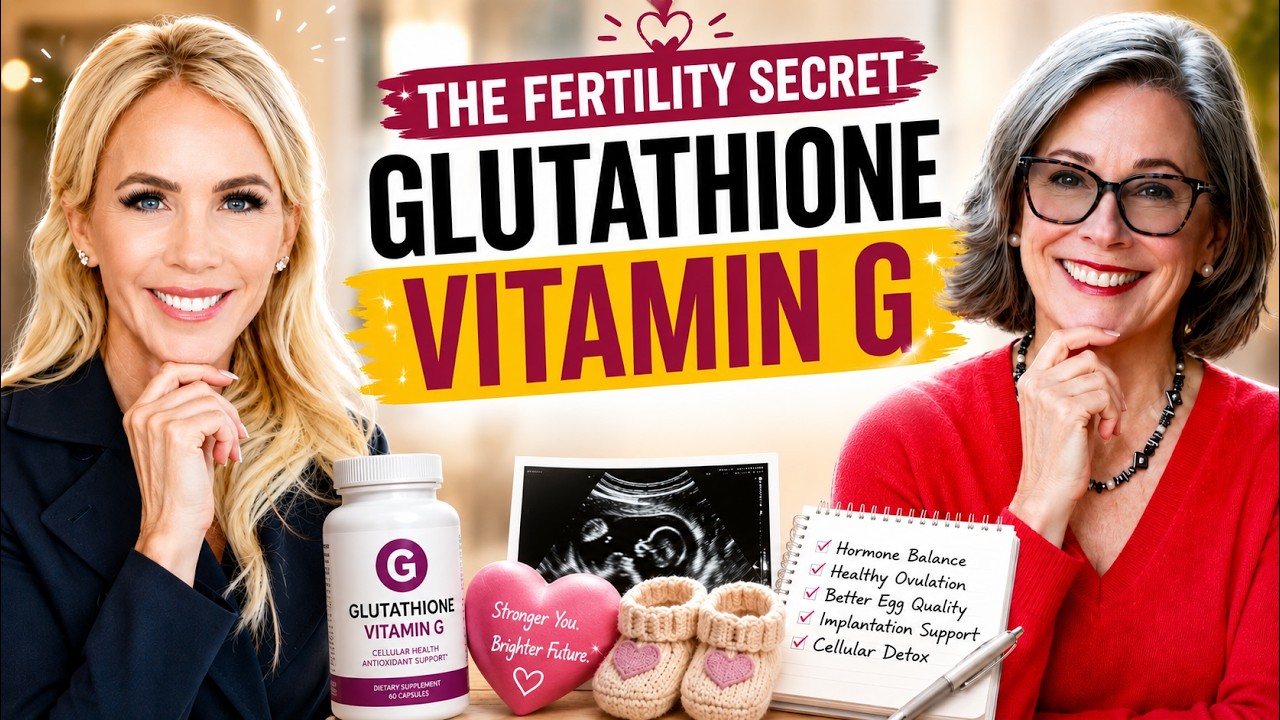
Glutathione for Fertility and Healthy Pregnancy
Glutathione may not be the first nutrient people think about when they are trying to conceive. Yet it plays a major role in cellular health. It supports the mitochondria, helps the body manage oxidative stress, and supports detoxification and immune balance.
For women over 35, women with unexplained infertility, diminished ovarian reserve, recurrent pregnancy loss, or failed implantation, this matters. Because egg quality is not only about age, but also about the environment in which that egg grows.
In this conversation with Dr. Gina Nick, it becomes clear why “Vitamin G” deserves a place in the fertility and whole-health conversation.
Why Mitochondria Matter for Fertility
Mitochondria are the powerhouse of the cell that helps create energy. They also sit in the middle of many stress signals that affect the body.
Eggs and sperm need energy. The uterine lining needs energy. A healthy pregnancy also requires the body to manage inflammation and immune activity well.
Fertility is adversely affected when mitochondria are under stress by environmental toxins, viral exposure, mold, yeast, emotional stress, and aging, all of which increase the body’s free radical burden. Glutathione helps neutralize those free radicals and supports healthier cellular function.
This is why mitochondrial health matters before IVF, before transfer, and before pregnancy.
What is Glutathione?
Glutathione is a tripeptide, which means it is made from three amino acids.
Its main job is to protect the cell and help neutralize free radicals and support the body’s ability to clear toxins. It also helps protect the mitochondria from oxidative stress.
As we age, glutathione levels naturally become depleted. Also, daily toxin exposure lowers supply. The body is exposed to stressors and toxins every day, so consistent daily support is a must.
More Is Not Always Better
One of the most important points in this conversation is that glutathione is under tight control in the body. More is not better.
The body keeps glutathione within a certain range. Too little can be a problem. Too much is not useful either. This is why form, dose, and supporting nutrients that help recycle glutathione matter.
Recycling depends on nutrients such as zinc, magnesium, B vitamins, and vitamin C. This is why Dr. Gina created a formula that does more than provide glutathione alone. Vitamin G Glutathione Pixie Stix include glutathione plus important cofactors that help support the whole glutathione cycle.
Why Form Matters
Oral glutathione does not absorb well. Liposomal glutathione can be unpalatable and needs refrigeration. A supplement that stays in the refrigerator or tastes unpleasant may not become part of daily life. A formula that is easy to take can become a realistic habit. Vitamin G™ uses a patented fermented form of L-glutathione that is effective, portable, and easy to take every day.
For fertility patients, simple habits often make the biggest difference.
Glutathione and Autoimmune Patterns
Autoimmune activity can be the cause of “unexplained fertility”. Some women know they have an autoimmune condition, whereas others may have symptoms that suggest immune imbalance. These may include inflammation, brain fog, mood changes, fatigue, or thyroid issues such as Hashimoto’s.
Glutathione does not suppress the immune system in the way a medication might. It helps the body return toward better regulation. Supporting glutathione can be one way to support the terrain before asking the body to conceive, implant, and carry a pregnancy.
Glutathione Before IVF
IVF can be physically demanding.
The stimulation process increases hormone activity. Egg retrieval creates inflammation in the pelvic environment. Embryo transfer requires a uterine environment that is receptive to implantation.
For that reason, glutathione support may be worth discussing with your provider before an IVF cycle. Dr. Gina recommends support before IVF, during stimulation, and after retrieval when appropriate. Dr. Susan also connects this to the importance of preparing the body before treatment.
This does not replace medical care. It supports the body while medical care is happening.
Healthy Pregnancy Starts Before the Positive Test
The goal is not simply to get pregnant. The goal is a healthy baby.
A positive pregnancy test is an important moment, but a mother’s body needs to support embryo and fetal development, placental function, hormone clearance, immune balance, and fetal growth.
Glutathione is found in high concentrations in the liver. The liver plays an important role in hormone clearance. This becomes especially relevant during fertility treatment and pregnancy because hormones shift quickly.
For women with autoimmune concerns, it’s worthwhile to note that pregnancy can alter immune activity. Support should be personalized.
Glutathione in Perimenopause
Glutathione is not only a fertility topic. It also belongs in the pre-perimenopause and perimenopause conversation.
Hormone fluctuations during this stage can affect sleep, skin, mood, hot flashes, and overall resilience. Dr. Gina shared that some of her earliest feedback came from women in this phase of life. Many noticed changes in hot flashes, sleep, skin, and mood after using glutathione support.
This makes sense when we look at the body as one system. Hormone changes increase the demand on the liver, immune system, nervous system, and mitochondria. Glutathione supports those same systems.
A Simple Step With Bigger Meaning
There are many ways to prepare the body for fertility and healthy aging. Clean food, filtered water, sleep, circadian rhythm, and lowering toxin exposure all matters. So does targeted circulation such as provided in the Preconception Plan at Health Youniversity using Transcutaneous Electrical Acupoint Stimulation (TEAS), which in studies has shown an increase in live birth rate for women over 35 undergoing frozen embryo transfer by 42%.
Glutathione does not replace those foundations. It supports them.
This is especially helpful for people who feel overwhelmed by long protocols. Sometimes the best next step is one that it is easy to implement. If a daily pixie stick helps support antioxidant status, detoxification, and mitochondrial health, it’s a win-win.
Support the Mitochondria to support Fertility
Fertility begins at the cellular level.
Egg quality, sperm health, immune balance, inflammation, hormone clearance, and pregnancy all depend on mitochondrial. Glutathione protects the mitochondria by relieving oxidative stress.
If you are preparing for pregnancy, IVF, transfer, or desire an easier transition into perimenopause, ask how your body is managing inflammation, clearing hormones, and reducing toxic burden.
At Health Youniversity, we believe fertility care should look beyond the protocol. The body deserves support before it is asked to perform. Glutathione may be one of the simplest ways to begin that support.
Support your fertility journey with Preconception Plan at Health Youniversity.
Check out all of our episodes on the following platforms:
Dr. Gina Nick is a Naturopathic Physician, researcher, wellness educator, and the world’s leading expert on glutathione. She is also the founder of, Vitamin G™ Glutathione Pixie Sticks, an innovation designed to make glutathione accessible in a joyful and simple format.
With a dedication to holistic wellness, she’s known for her expertise in treating a wide range of health concerns, from autoimmune diseases to addiction recovery, anxiety, and more. Dr. Gina is known for translating complex cellular science into practical strategies that empower individuals and families to support their health.
Website: https://drgina.com/
Medical Disclaimer:
By listening to the Health Youniversity podcast, you agree not to use this podcast as medical advice to treat any medical condition for yourself or others. Consult your healthcare provider for any medical issues you may have. This entire disclaimer also pertains to any guests or contributors to any Health Youniversity podcast.