
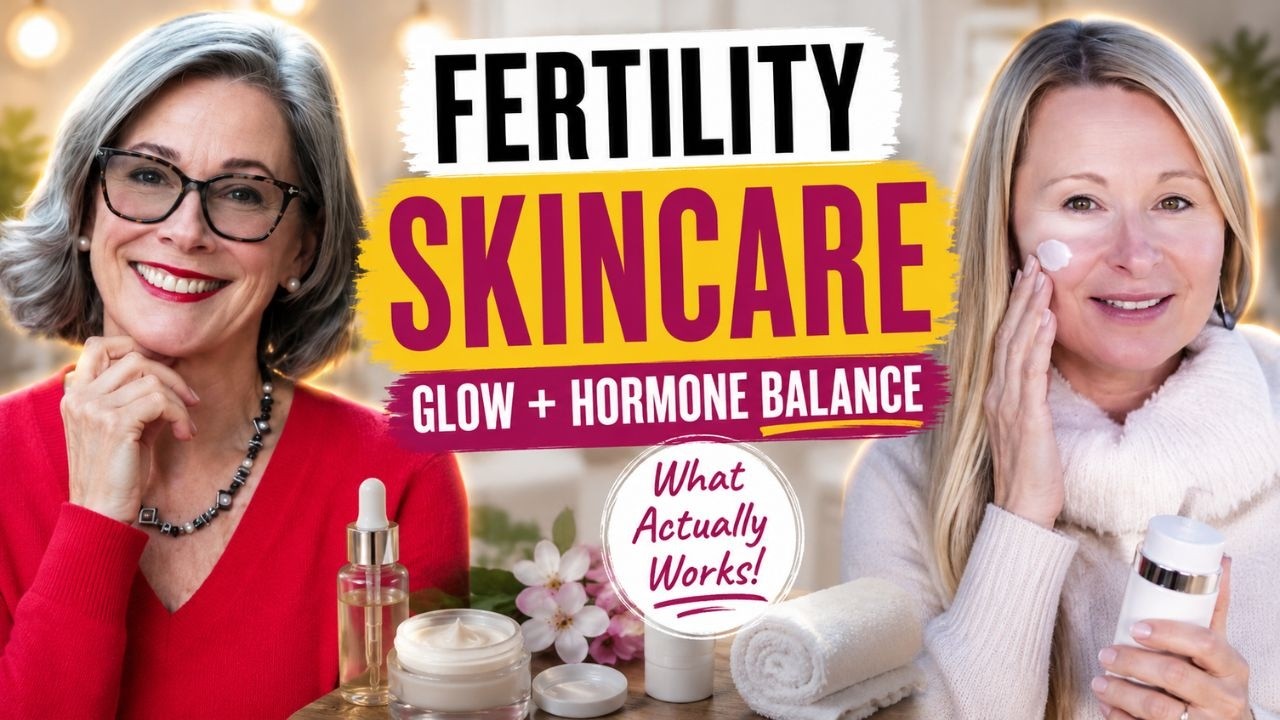
Skincare, Fertility, and Hormone Health: What You Put on Your Body Matters
Key Takeaways
Skincare is part of whole-body health. The article emphasizes that products applied to the skin may contribute to irritation, inflammation, chemical exposure, and hormonal concerns, making ingredient awareness especially relevant during fertility preparation, pregnancy, postpartum, and perimenopause.
Frequently used products are a practical place to reduce unnecessary exposures. First aid products, lotions, lip balms, deodorants, intimate-care products, and products applied to irritated or broken skin are highlighted as useful places to start.
Certain skincare ingredients deserve closer attention. The article identifies synthetic fragrances, phthalates, parabens, some preservatives, and petroleum-derived ingredients as compounds to consider when trying to reduce overall chemical exposure.
Plant-based and oil-based formulas may offer alternatives. Herbal ingredients such as calendula, yarrow, chickweed, comfrey, chamomile, helichrysum, rose hips, and aloe are discussed for skin support, while oil-based salves may require fewer preservatives than water-based products.
Skin needs change across the hormonal journey. Pregnancy, postpartum, perimenopause, and menopause can affect hydration, sensitivity, elasticity, the skin barrier, and tissue repair, making skincare an evolving part of women's health.
Skincare may matter during fertility preparation and hormonal transitions because products applied to the body can contribute to irritation, inflammation, and overall chemical exposure. The article recommends paying closer attention to ingredients such as synthetic fragrances, phthalates, parabens, some preservatives, and petroleum-derived ingredients, particularly during preconception, pregnancy, postpartum, and perimenopause. A practical approach is to start with frequently used products—including first aid products, lotions, lip balms, deodorants, and intimate-care products—and choose simpler, skin-supportive alternatives when appropriate.
Healthy skincare is more than cosmetic. We think of our skin in terms of dryness, aging, irritation, or appearance. But the skin, our largest organ, is also an important player in health and fertility.
What we put on our bodies can trigger inflammation, impair immune signaling, interrupt hormone balance, impede nervous system regulation, and increase toxic load. This becomes especially important during fertility preparation, pregnancy, postpartum, and perimenopause.
We paying attention to food, sleep, movement, water, and hormones. Skincare belongs in the conversation.
What’s in your First Aid Cabinet?
Cuts, scrapes, bug bites, burns, cold sores, poison ivy, and skin irritation are usually treated with products we have used for years. Most of us never stop to read the ingredient list.
However, many first aid products contain synthetic chemicals, including petroleum-derived ingredients, preservatives, fragrances, parabens, or other additives.
This matters during fertility preparation and pregnancy. It also matters during postpartum and childhood. These are seasons when the body may be more sensitive to chemical exposure.
A scrape or wound is not only on the skin’s surface. Products placed on irritated or broken skin have greater access to the body. This makes the first aid cabinet a simple place to begin reducing toxic load.
Plant-Based First Aid and Skin Repair
One of the key ideas in this conversation is that skin does not always heal best when it is dried out or attacked. Often, it heals best when it is nourished and protected.
Plant-based first aid supports the skin’s natural repair process. Ingredients such as calendula, yarrow, chickweed, comfrey, St. John’s wort, arnica, chamomile, helichrysum, rose hips, and aloe have long histories of use for skin support.
And the quality of the extraction matters. High heat can damage plant compounds. Chemical solvents change the integrity of the plant.
Skin, the Nervous System, and Inflammation
The skin and nervous system are closely connected. The skin develops from the same embryonic tissue as the nervous system. It also contains neurotransmitters that communicate with the rest of the body.
When the skin is irritated or inflamed, the body signals stress. This raises cortisol, lowers immune activity, and disrupts sleep, mood, and hormone regulation.
While skincare alone does not determine fertility, it is part of the ecosystem. When we reduce unnecessary irritation and chemical exposure, we give the body fewer stress signals and create more room for repair.
Why Endocrine Disruptors Matter
Many conventional skincare and first aid products contain ingredients that may interfere with hormone signaling. These include phthalates, parabens, petroleum-derived ingredients, synthetic fragrances, and some preservatives.
Endocrine disruptors can mimic or block natural hormone communication. They can also interfere with how the body processes hormones. This is especially relevant during fertility preparation, pregnancy, postpartum, and perimenopause.
For someone preparing to conceive, reducing unnecessary chemical exposure is a meaningful step.
Why Water-Based Products Often Need Preservatives
Many conventional lotions and creams have water as the first ingredient. Yet water-based products need stabilizers and preservatives to prevent mold, spoilage, and rancidity.
Oil-based salves and plant-based formulas do not rely on water as the base. This reduces the need for preservatives and makes the product last longer.
A small amount goes a long way, nourishing with concentrated plant-based ingredients.
Skin Changes Across the Hormonal Journey
Skin changes throughout a woman’s hormonal life. Pregnancy, postpartum, perimenopause, and menopause all affect the skin barrier, hydration, elasticity, sensitivity, and tissue repair.
In pregnancy the skin stretches to adapt to a changing body and growing baby. In postpartum and perimenopause, hormone shifts contribute to dryness and irritation. They can also make the skin feel more sensitive.
This conversation also extends to intimate wellness. Genital tissues have their own delicate microbiome, and harsh products cause irritation and imbalance in our flora.
Skincare is whole-body care.
Rebuilding the Skin Barrier Takes Time
If the skin has been exposed to harsh products such as hormone disruptors or fragrances for years, it may take time to rebuild the skin barrier.
Daily nourishment especially during pregnancy or times of dryness and irritation.
Start with the Products You Use Most
A simple place to begin is the first aid cabinet; then to products used most often such as llotion, lip balm, intimate products, deodorant, and anything applied to skin.
For someone trying to conceive, is pregnant, postpartum, or caring for a baby, reducing chemical exposure can be especially meaningful.
Choose Skincare That Supports the Whole Body
When we reduce our skin’s exposure to chemicals and irritants, we support more than softness or glow. We support the barrier. We support the nervous system. We support the immune system and hormonal system.
At Health Youniversity, we believe women’s health care should consider the whole person. That includes the everyday choices that often go unnoticed. Healthy skincare is one of those choices.
Support your fertility journey with Preconception Plan at Health Youniversity.
Frequently Asked Questions - FAQs
Can skincare affect fertility and hormone health?
The article presents skincare as one part of the larger fertility and hormone-health environment. It explains that certain ingredients and repeated chemical exposures may contribute to inflammation, irritation, or interference with normal hormone signaling.
Skincare alone does not determine fertility, but reducing unnecessary exposures can be one component of a whole-body fertility preparation plan.
Why should skincare matter when trying to conceive?
People preparing for pregnancy often focus on nutrition, sleep, exercise, supplements, and environmental exposures. The article argues that skincare belongs in that same conversation because products applied regularly to the body contribute to overall exposure.
The goal is not perfection but reducing avoidable irritants and chemicals where practical.
What skincare ingredients should I pay attention to when trying to conceive?
The article specifically highlights:
Synthetic fragrances
Phthalates
Parabens
Some preservatives
Petroleum-derived ingredients
Other synthetic additives
Rather than becoming overwhelmed by every ingredient, the article recommends starting with products used most frequently.
What are endocrine disruptors?
Endocrine disruptors are substances that can interfere with normal hormone communication. The article describes them as compounds that may mimic, block, or otherwise interfere with hormone signaling and processing.
This is why reducing unnecessary exposure is presented as especially relevant during fertility preparation and other hormonally sensitive stages of life.
Should I change all of my skincare products before trying to conceive?
The article does not recommend replacing everything at once. Instead, it suggests beginning with products you use most often.
That might include lotion, lip balm, deodorant, first aid products, and intimate-care products. Gradual changes can make the process more realistic and sustainable.
Why start with the first aid cabinet?
First aid products may be applied to cuts, scrapes, burns, bites, or irritated skin. The article points out that people often use these products for years without examining their ingredients.
Because compromised or irritated skin deserves particularly thoughtful care, the first aid cabinet can be a practical place to review what you are using.
Are plant-based skincare products better for the skin?
The article discusses plant-based formulas as one approach to supporting the skin's natural repair process. It highlights ingredients such as calendula, yarrow, chickweed, comfrey, chamomile, helichrysum, rose hips, aloe, and others.
However, the article also emphasizes that formulation and extraction quality matter—not simply whether a product is labeled “natural.”
Which herbs are discussed for skin support?
The article mentions several traditionally used botanical ingredients:
Calendula
Yarrow
Chickweed
Comfrey
St. John's wort
Arnica
Chamomile
Helichrysum
Rose hips
Aloe
These are presented as examples of ingredients used in plant-based skin and first aid formulations.
Why do water-based skincare products need preservatives?
According to the article, products containing water require stabilizers and preservatives to reduce the risk of mold, spoilage, and rancidity.
Oil-based salves do not use water as their primary base, so they may require a different preservation approach and can provide concentrated ingredients in relatively small amounts.
How are the skin and nervous system connected?
The article describes a close relationship between the skin and nervous system and notes that the skin contains signaling mechanisms that communicate with the rest of the body.
Skin irritation and inflammation can become additional stress signals, which is one reason the article views skin health as part of whole-body wellness.
Can skin inflammation affect hormones?
The article connects ongoing irritation and inflammation with the body's broader stress response, including cortisol, sleep, immune function, mood, and hormone regulation.
It does not suggest that skincare alone controls hormone balance. Instead, it presents skin irritation as one part of the body's overall stress and inflammatory environment.
How does pregnancy affect the skin?
During pregnancy, the skin stretches and adapts as the body changes. Hydration, elasticity, sensitivity, and tissue repair needs may also shift.
The article recommends regular nourishment and thoughtful product choices during this period.
Why can skin become drier during postpartum or perimenopause?
The article connects hormonal fluctuations during postpartum, perimenopause, and menopause with changes in skin hydration, sensitivity, elasticity, and barrier function.
This can make products that previously worked well feel irritating or insufficient later in life.
Do intimate-care products matter for hormone and skin health?
The article encourages particular care with intimate products because genital tissues are sensitive and have their own delicate microbial environment.
Harsh products may contribute to irritation or imbalance, so simpler and gentler options may be worth considering.
How long does it take to rebuild the skin barrier?
The article does not provide a specific timeline. It emphasizes that skin exposed to harsh or irritating products over time may need consistent nourishment and patience while the barrier recovers.
What is the easiest first step toward lower-toxin skincare?
Start by looking at the products you use every day. The article recommends reviewing lotion, lip balm, deodorant, intimate-care products, first aid products, and anything regularly applied to the skin.
The goal is to make manageable substitutions rather than create an overwhelming skincare overhaul.
Check out all of our episodes on the following platforms:
Jodi Scott is the founder of Green Goo, a plant-based first aid and herbal wellness company built from family remedies, farm-grown grit, and a deep belief that what we put on and around our bodies matters. With a background in pre-med and an MS in health psychology, Jodi brings a whole-person lens to health, blending science, herbal wisdom, and practical tools for everyday wellness. Her work focuses on reinventing first aid, reducing harmful chemical exposure, and helping people understand the powerful connection between skin, the nervous system, the immune system, and overall well-being.
Website: https://www.greengoo.com/
Medical Disclaimer:
By listening to the Health Youniversity podcast, you agree not to use this podcast as medical advice to treat any medical condition for yourself or others. Consult your healthcare provider for any medical issues you may have. This entire disclaimer also pertains to any guests or contributors to any Health Youniversity podcast.