
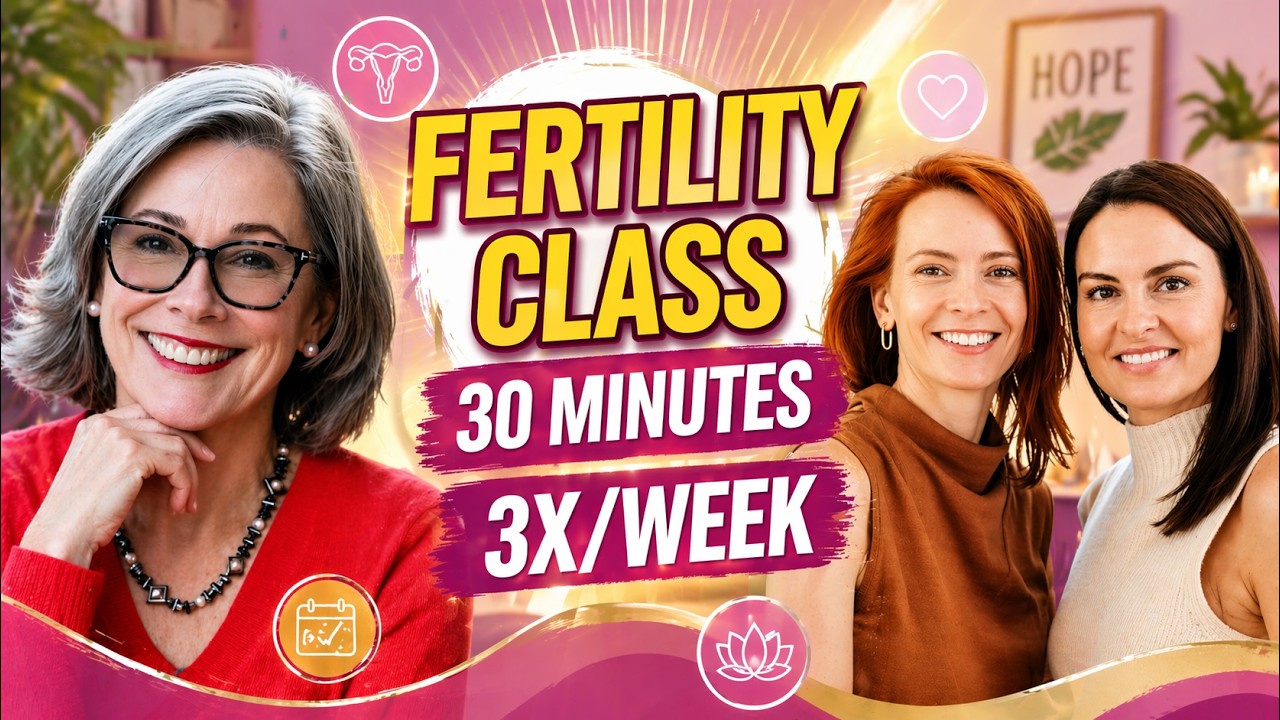
The Fertility Class: Can Movement Transform Reproductive Health?
Fertility is more than lab values, diagnoses, and medical interventions. One foundational layer that deserves attention is movement that directly supports the reproductive system.
In this episode of Health Youniversity, the focus is on fertility and preconception care during National Infertility Awareness Month. The conversation explores a specialized exercise method designed to increase circulation to the reproductive organs, regulate the hormonal axis, and reconnect women with their bodies.
Fertility is not just about getting pregnant. It is about cultivating a healthy terrain that supports ovulation, balanced cycles, emotional well-being, and long-term hormonal health.
What Are Fertility Exercises?
Fertility exercises are rhythmic, pelvic-centered movements designed to:
Increase blood flow to the uterus and ovaries
Improve circulation of oxygen, nutrients, and hormones
Stimulate reflexology points connected to reproductive organs
Support hypothalamic–pituitary–ovarian (HPO) axis communication
Regulate the nervous system
These movements are distinct from traditional workouts. They are not high-intensity training, and they are not simply stretching. Instead, they involve functional, repetitive pelvic movements that contract and release the muscles surrounding the reproductive organs.
Many women report feeling warmth or tingling in the pelvic region during practice — a sign of increased circulation and activation.
And perhaps most importantly, these exercises are accessible. They require no equipment, minimal space, and only 30 minutes per session.
Why Blood Flow Matters in Fertility
Healthy circulation is foundational to reproductive health.
Blood transports:
Hormones
Oxygen
Nutrients
Detoxification support
When circulation to the pelvis is compromised — due to sedentary lifestyle, chronic stress, or tension — the reproductive organs may not receive optimal nourishment.
Modern life contributes significantly to pelvic stagnation. Long hours sitting, chronic stress, and high-intensity overtraining can all reduce blood flow to the lower abdomen.
Intentional pelvic movement counteracts this stagnation.
Fertile soil is not pregnant — it is prepared.
Movement is like tilling the soil.
The Nervous System and Hormonal Regulation
The fertility journey can be overwhelming. Data, statistics, testing, and timelines often dominate the experience. Many women describe feeling detached from their bodies during this time.
Fertility-focused movement helps reverse that detachment.
By engaging in rhythmic, pelvic-centered exercises, women:
Stimulate parasympathetic (rest-and-digest) activity
Reduce chronic sympathetic (fight-or-flight) dominance
Release stored tension in the pelvic floor
Improve mind–body awareness
The pelvis is not only a physical center — it is also an emotional one. Releasing congestion in this region can create healthy physical and emotional shifts.
And when the nervous system feels safe, hormonal communication improves.
Fertility Is More Than Pregnancy
A powerful reframe from this episode is redefining fertility itself.
Fertility is not limited to conception. It reflects:
Regular, ovulatory cycles
Pain-free menstruation
Stable mood
Clear skin
Sustainable energy
Confidence in one’s body
Even women not trying to conceive benefit from restoring hormonal rhythm and pelvic circulation. Supporting fertility now lays the groundwork for smoother pregnancy, postpartum recovery, and perimenopause.
The endocrine system is not siloed. When it improves, the ripple effect touches the immune system, gut health, mood, and overall vitality.
The Gap Between Doing Nothing and IVF
One of the most important insights from this episode is recognizing the space between:
Doing nothing
Jumping immediately to medical treatment
Medical intervention is often necessary and life-changing. IVF and assisted reproductive technologies are modern miracles.
But preparation matters.
Improving sleep, nutrition, stress regulation, and circulation before medical treatment can enhance outcomes.
Rather than an either/or approach, this conversation emphasizes a both/and framework.
You can pursue medical treatment while strengthening your internal foundation.
How Often Should Fertility Exercises Be Practiced?
Consistency matters more than intensity.
The recommended rhythm:
30 minutes per session
Three times per week
Every other day
This allows the body time to integrate the stimulus and recalibrate.
Changes are often incremental at first. But over weeks and months, women report:
Improved ovulation markers
Better cervical mucus
More regular cycles
Reduced PMS
Increased confidence
Lower anxiety
Small, steady inputs create exponential shifts.
Fertility and Lifestyle Foundations
Movement is only one pillar. The episode also highlights the importance of:
Adequate sleep (five hours is not enough)
Balanced nutrition
Hydration
Nervous system regulation
Avoiding over-exercising
High-intensity workouts can be depleting for women already experiencing hormonal imbalance. Swapping one intense workout per week for fertility-focused movement may be enough to shift the system toward balance.
The menstrual cycle is a fifth vital sign.
If it is irregular, painful, or absent, it is communicating something important.
What About Male Fertility?
Male factor infertility accounts for approximately 40% of fertility challenges.
Supporting male fertility through movement, nutrition, and stress reduction is equally essential. Targeted exercise protocols can improve circulation and support sperm health.
Fertility is a shared journey.
Final Reflection
In a culture that pushes women to override their bodies, fertility exercises offer a radical alternative: listening.
Listening to the pelvis.
Listening to the nervous system.
Listening to the rhythms of the cycle.
When we restore blood flow, regulate stress, and nourish the endocrine system, we do more than support conception — we restore connection.
Creative flow lives just beyond stagnation.
And preparation is power.
If this conversation resonated, share it with someone navigating fertility. One in five individuals experience fertility challenges — and awareness can change outcomes.
Check out all of our episodes on the following platforms:
Register for a free 28-Day Detox Masterclass to improve Your Fertile Health:
https://susanfox1.easywebinar.live/gentle-detox
Know the status of your fertility health. Take our FREE Fertility Quiz now: http://yourfertilityquiz.com/
Fulfill your dream of a family. Know your best options for a healthy pregnancy: https://www.healthyouniversity.co/programs
Boost Employee Productivity by Investing in their Fertility Health. Check out our Corporate Wellness program and know the benefits it can bring to your company: https://www.healthyouniversity.co/corporate-wellness
Zsofia is a certified Aviva Method teacher, entrepreneur, and former fashion executive. Diagnosed with severe PCOS as a teenager and told she might never conceive, she healed naturally through movement and nutrition. After leading global strategy for brands like Net-A-Porter, she introduced the Aviva Method from Hungary to the UK and US. Today, she dedicates her work to helping women worldwide reconnect with their bodies and reproductive health.
Marta is a health coach, certified yoga teacher, and Aviva Method instructor. After navigating infertility and hormonal imbalance herself, she restored her health naturally through movement, nutrition, and holistic practices. With over a decade of experience and a background as a competitive ballroom dancer, Marta combines specialized knowledge with deep body awareness to help women restore hormonal balance and support fertility naturally.
Website: https://thefertilityclass.com/
Medical Disclaimer:
By listening to the Health Youniversity podcast, you agree not to use this podcast as medical advice to treat any medical condition for yourself or others. Consult your healthcare provider for any medical issues you may have. This entire disclaimer also pertains to any guests or contributors to any Health Youniversity podcast.