Food, Fertility, and the Foundation for a Healthy Baby
Most women know that nutrition matters during pregnancy. We're reminded to take a prenatal vitamin, drink plenty of water, eat enough protein, and avoid certain foods. Yet we receive surprisingly little guidance about how to nourish ourselves in the months before conception, when the eggs and sperm that may eventually create a pregnancy are developing. In my nearly 25 years of working with fertility patients, I've found that many women arrive at this stage of life with a great deal of information about what to avoid during pregnancy and very little understanding of how to prepare for one.
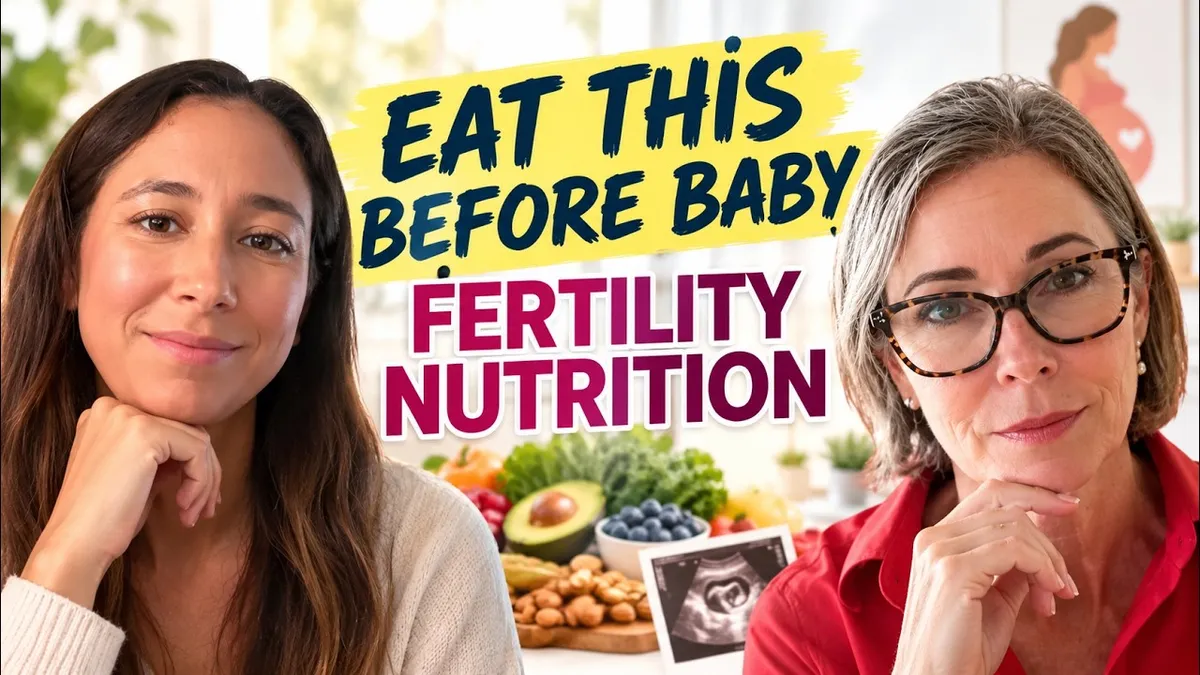
I recently welcomed Torie Borrelli Hall, functional nutritionist, author, and founder of The Vida Well, to the Health Youniversity podcast. Her practical approach to nutrition through preconception, pregnancy, postpartum, and family life aligns with much of what I've been teaching fertility patients for years. One of the principles I emphasize is that egg and sperm health reflect the health of the whole person. Nutrition, blood sugar regulation, digestion, sleep, metabolic health, and environmental exposures all contribute to the conditions in which reproductive cells develop. Paying attention to these foundations before pregnancy gives us an opportunity to establish habits that can benefit our health well beyond conception.
Why Nutrition Matters Before Pregnancy
We spend much of our reproductive lives learning how to prevent pregnancy, often assuming that conception will happen easily when we're ready. When it takes longer than expected, the experience can be frustrating, particularly when we realize how little we've been taught about preparing our bodies.
Egg and sperm development takes place over months, which is why I encourage women and couples to begin preconception preparation well before trying to conceive, freezing eggs, or beginning IVF. This gives us time to identify nutritional deficiencies, address metabolic concerns, and establish routines that support reproductive health. Pregnancy also places additional demands on the body, making adequate nutrition before conception particularly valuable.
A prenatal vitamin is an important part of this preparation, especially for nutrients such as folic acid, iodine, and iron when needed. Daily meals provide the protein, healthy fats, fiber, antioxidants, and wide range of vitamins and minerals that work together to support our health. Before recommending another supplement, I often begin by looking at what someone eats throughout an ordinary day. Breakfast, lunch, dinner, snacks, and even the timing of meals can reveal opportunities for improvement.
Blood Sugar and Protein: Where I Often Begin
Blood sugar regulation is one of the foundations of metabolic and hormonal health. When meals consist primarily of refined carbohydrates without adequate protein, fat, or fiber, blood sugar may rise quickly and then fall, leaving us hungry, tired, or reaching for something sweet. For women with insulin resistance or PCOS, these patterns are especially important to address as part of a comprehensive fertility plan.
Breakfast is often the easiest place to make a meaningful change. Many women begin the day with coffee and toast, fruit, or a pastry, then wonder why they're struggling with energy or cravings later. A protein-forward breakfast can help maintain more consistent energy throughout the morning and into the afternoon. For some women, approximately 30 to 35 grams of protein is a useful target, depending on their individual needs.
Eggs, Greek yogurt, leftover chicken or salmon, cottage cheese, or a protein-rich smoothie can all work. There's no requirement that breakfast look like traditional breakfast food. The same principle applies to lunch and dinner, where combining protein with vegetables, fiber-rich carbohydrates, and healthy fats creates meals that are satisfying and support steadier blood sugar throughout the day.
Getting More Nutrition From the Foods We Eat
I encourage women to think about what they can add to their diets before becoming overly focused on what they should eliminate. Eggs provide choline, which is important for fetal brain and nervous system development. Fish such as salmon and sardines provide protein and omega-3 fatty acids, while meat, legumes, leafy greens, and other whole foods contribute iron, zinc, and nutrients involved in blood formation, immune function, and cellular health.
Traditional foods such as broth, slow-cooked meats, and mineral-rich vegetables can also be useful additions to the diet. During pregnancy, food safety needs to guide our choices, particularly with raw seafood, unpasteurized foods, and organ meats such as liver, which can contain excessive amounts of preformed vitamin A. We can enjoy a nutrient-dense diet while being mindful of these considerations.
Variety is equally important. It's easy to fall into a routine of eating the same vegetables, proteins, and grains every week. While those foods may be nutritious, different foods provide different fibers and plant compounds that support the gut microbiome. The microorganisms living in our digestive tract participate in digestion, immune signaling, and the metabolism of certain compounds, including hormones. A varied diet with vegetables, fruits, herbs, legumes, nuts, seeds, and other plant foods can help support a more diverse microbial environment.
One simple suggestion is to try a new vegetable each week. Farmers markets and seasonal produce boxes can introduce foods we might otherwise overlook, such as kohlrabi, radishes, beets, mushrooms, squash, or unfamiliar greens. Over time, these additions expand both the variety of nutrients we consume and the foods we become comfortable preparing.
Making Healthy Eating Work in Real Life
Most of the women I work with already have demanding schedules. They may be managing careers, relationships, fertility appointments, and family responsibilities. The last thing they need is another complicated routine that requires hours of daily preparation, which is why I prefer an approach that begins with having a few nourishing ingredients ready before the week gets busy.
Roasting a chicken, preparing a pot of beans, washing vegetables, boiling eggs, or making a simple dressing can provide the ingredients for several meals. Leftover chicken can become soup, a salad, tacos, or a quick lunch the next day. A tray of roasted vegetables can be added to different meals throughout the week, and a pot of soup can provide an easy dinner when everyone gets home late.
An hour or two of preparation can make it much easier to eat well when you're tired or pressed for time. These habits become especially valuable during pregnancy and postpartum, when appetite, energy, and available time may change dramatically. Having nourishing foods ready reduces the need to make every food decision when you're already exhausted.
Hydration and the Environment Around Us
Hydration is important for circulation, digestion, temperature regulation, and overall health. Water needs vary according to activity, climate, diet, and pregnancy, so there isn't one amount that works for everyone. I encourage patients to pay attention to the quality of their drinking water, particularly when there are concerns about local contaminants. An appropriately selected water filter can reduce certain exposures, depending on the contaminants present and the type of filtration used.
Minerals such as sodium, potassium, and magnesium are essential for normal fluid balance. Most people obtain adequate amounts through food and beverages, although individual needs may differ with heavy sweating, illness, or specific medical conditions. Rather than routinely adding supplements or electrolytes, I prefer to consider the person's diet, activity level, and health history.
Environmental exposures are another part of preconception health that deserves attention. We encounter chemicals through food packaging, plastics, personal care products, household cleaners, drinking water, and the air around us. Certain compounds, including phthalates, PFAS, and some pesticides, have been associated with endocrine or reproductive concerns. Research continues to clarify how particular exposures affect fertility, but reducing avoidable contact with potentially harmful substances is a reasonable preventive step.
I generally suggest beginning with products used every day. Consider storing and reheating food in glass rather than plastic, choosing fragrance-free laundry and personal care products when possible, reviewing cookware, and paying attention to drinking water quality. There is no need to replace everything in your home at once. Gradual changes are easier to maintain and allow you to prioritize the exposures most relevant to your circumstances.
Sperm Health Belongs in the Conversation
Fertility preparation still tends to focus primarily on women, although sperm contributes half of the genetic material involved in conception. Sperm development is influenced by nutrition, metabolic health, smoking, alcohol use, certain environmental exposures, heat, and other lifestyle factors. Oxidative stress may also affect sperm function and DNA integrity, which is one reason overall health matters for the person contributing sperm.
Because sperm development takes approximately two to three months, the preconception period is an important time for male partners to examine their own health habits. Eating a nutrient-dense diet, getting adequate sleep, exercising appropriately, and addressing underlying medical concerns can support overall health. When infertility is present, a semen analysis and appropriate medical evaluation remain essential.
I encourage couples to approach preconception preparation together whenever possible. Improving food quality, reducing unnecessary chemical exposures, and establishing healthier household routines can benefit both partners and eventually their children.
When Testing Can Help Guide the Plan
Some women are told their laboratory results are normal even though they continue to experience fatigue, digestive symptoms, irregular cycles, or difficulty conceiving. In these circumstances, a closer look at thyroid function, blood sugar regulation, iron status, and other clinically relevant markers may help identify concerns that deserve attention.
Functional medicine also offers specialized assessments of gut health, metabolic markers, and environmental exposures. Comprehensive stool testing, organic acids testing, and certain exposure panels may be considered in selected situations, although many commercial tests have limited clinical validation and are not routinely recommended as part of fertility evaluation. I believe testing should answer a specific question and help guide a practical plan. More information is valuable when we understand what it means and how it may change our approach to care.
Nutrition Through Pregnancy and Postpartum
A woman may enter pregnancy with excellent eating habits and suddenly find that the foods she once enjoyed are unappealing. First-trimester nausea, fatigue, and food aversions can make meal preparation difficult. During this period, smaller meals, tolerable protein sources, and attention to hydration may be more realistic than maintaining the same eating pattern followed before pregnancy.
Soups, stews, smoothies, and simple meals can help when appetite is limited. Protein and nutrient needs continue throughout pregnancy, but flexibility becomes important as symptoms and tolerances change. Postpartum brings another set of demands, with recovery from childbirth, breastfeeding when applicable, interrupted sleep, and caring for a newborn making regular meals challenging.
This is when having a few familiar recipes, prepared freezer meals, and help from family or friends can make a tremendous difference. Nourishing the mother deserves as much attention as preparing for the baby's arrival, and many of the habits established before pregnancy can make this transition easier.
The Food Culture of a Family Begins Early
The habits we establish before pregnancy often become the habits we carry into family life. Children learn about food by watching the adults around them, becoming familiar with different foods through repeated exposure, helping with meal preparation, and seeing a variety of ingredients served at home.
A child may need to encounter a vegetable many times before being willing to taste it. Inviting children to wash produce, stir ingredients, assemble a salad, or help with simple kitchen tasks can encourage curiosity without turning meals into a struggle. I like the idea that preparing for pregnancy can also be an opportunity to create the kind of food environment we want our children to grow up with.
Sleep also plays an important role in these family routines. Inadequate sleep can affect appetite, insulin sensitivity, mood, and the way we respond to stress. For women balancing work and fertility treatment, sleep is often the first thing sacrificed when schedules become crowded. Reducing bright light and screen exposure before bed, maintaining reasonably consistent sleep hours, and creating a quieter evening routine can help support circadian rhythms. Sometimes an additional hour of sleep is a better choice than fitting in another workout when you're already exhausted.
Building a Foundation That Lasts
Preconception preparation works best when it becomes part of everyday life. A nourishing breakfast, a more varied diet, adequate hydration, thoughtful food preparation, better sleep, and reduced unnecessary environmental exposures are habits that can continue through pregnancy, postpartum, and parenting.
At Health Youniversity, I encourage women to consider fertility within the context of their whole health. The development of healthy eggs and sperm depends on many biological processes, and the months before conception provide an opportunity to support those processes through nutrition, lifestyle, and appropriate medical care.
Whether you're preparing to conceive naturally, freeze eggs, or begin IVF, begin by looking at the routines that shape your day. Choose a few changes that are realistic for your circumstances and build from there. Over time, those habits can support your health now and help nourish the family you hope to build.
Listen to my conversation with Torie Borrelli Hall on the Health Youniversity podcast for more practical ideas about nutrition during preconception, pregnancy, postpartum, and family life.
Continue Supporting Your Fertile Health
Register for the free 28-Day Detox Masterclass:
https://susanfox1.easywebinar.live/gentle-detox
Take the FREE Fertility Quiz:
http://yourfertilityquiz.com/
Explore the Health Youniversity Preconception Plan:
https://www.healthyouniversity.co/programs
Torie Borrelli Hall is a Functional Nutritionist, author, and founder of The Vida Well. She specializes in fertility, preconception, pregnancy, postpartum, hormone health, and autoimmune conditions, helping women use nutrition and functional medicine to better understand and support their bodies.
After navigating her own journey with infertility and miscarriage, Torie became especially passionate about helping women prepare their bodies for pregnancy and feel more empowered around fertility and reproductive health.
She is the author of The Mexican Keto Cookbook and her newest book, Eating for Life: A Holistic Cookbook for Pregnancy and a Thriving Family, which she wrote through two pregnancies and postpartum experiences. The book combines evidence-based nutrition education with 120 nutrient-dense recipes designed to support women from preconception through pregnancy, postpartum, and feeding a growing family.
Torie is also a mom of two and brings together her clinical experience, personal fertility journey, and real-life experience of motherhood to make nutrition feel practical, nourishing, and sustainable.
Learn more about The Vida Well: https://www.thevidawell.com
Get Eating for Life by Torie Borrelli Hall: https://www.eatingforlifecookbook.com
Medical Disclaimer:
By listening to the Health Youniversity podcast, you agree not to use this podcast as medical advice to treat any medical condition for yourself or others. Consult your healthcare provider for any medical issues you may have. This entire disclaimer also pertains to any guests or contributors to any Health Youniversity podcast.