
Male Fertility Beyond Semen Analysis: What Sperm Epigenetics Can Reveal
When a couple is having difficulty conceiving, it's usually the woman who undergoes the most testing. She may have months of hormone panels, ultrasounds and other evaluations, while her partner is asked to provide a semen sample. Yet male factors contribute to approximately half of infertility cases, and a normal semen analysis doesn't necessarily mean sperm are functioning as they should.
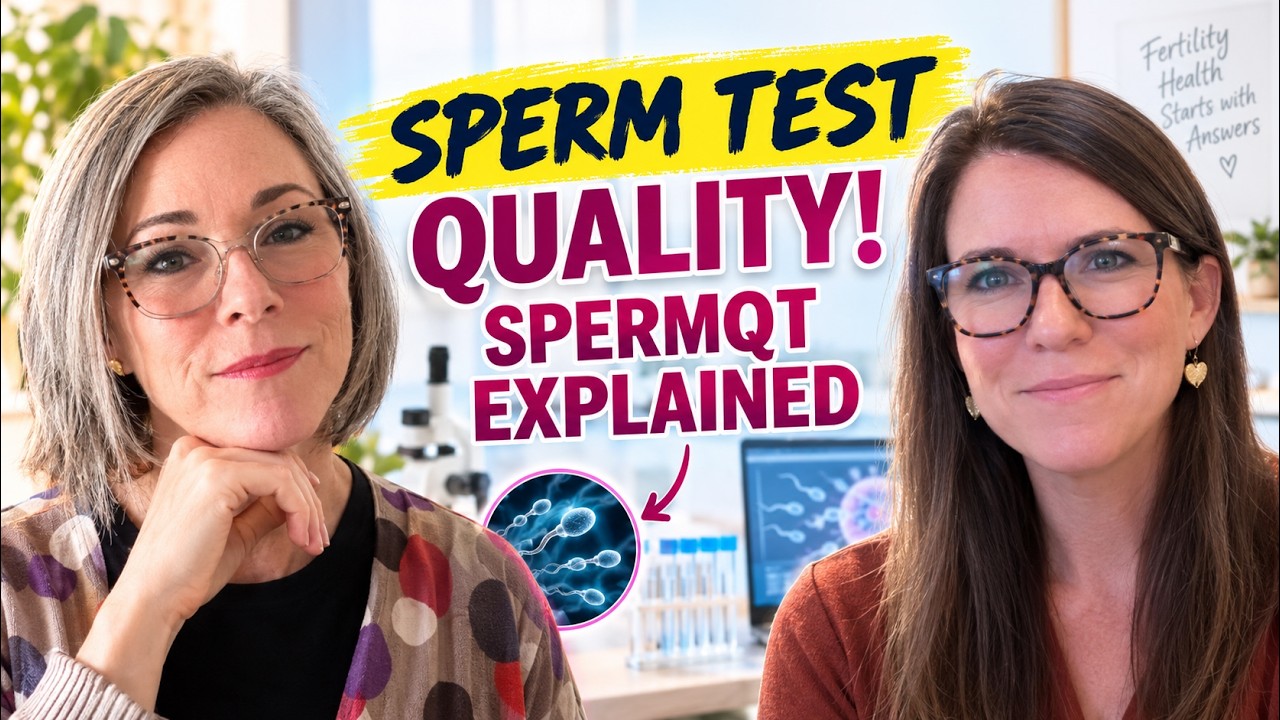
I recently spoke with Dr. Kristin Brogaard, co-founder and Chief Scientific Officer of Path Fertility, on the Health Youniversity podcast about sperm epigenetics and Sperm QT, a newer test that examines aspects of sperm health beyond what we can see under a microscope. Our conversation reinforced something I've emphasized throughout my nearly 25 years working with fertility patients: egg and sperm health reflect the health of the whole person, and both partners deserve attention well before pregnancy.
What a Normal Semen Analysis May Miss
A conventional semen analysis measures sperm concentration, motility and morphology. These tell us how many sperm are present, how well they move and what they look like. It's an essential starting point for evaluating male fertility, but it doesn't reveal everything about sperm function.
Sperm can appear normal under a microscope while carrying damage to their DNA or changes in the molecular processes involved in their development. This may help explain why some couples continue struggling to conceive despite reassuring results from their initial fertility testing.
Sperm DNA fragmentation testing examines damage to the genetic material carried by sperm. Elevated fragmentation has been associated with reproductive difficulties, including recurrent pregnancy loss, although its clinical significance varies and testing isn't necessary for every couple.
Sperm epigenetics looks at a different aspect of reproductive health. Epigenetics refers to the processes that regulate how genes are expressed without changing the underlying DNA sequence. During sperm development, thousands of genes must be appropriately regulated for sperm to mature and function normally.
Path Fertility's Sperm QT test examines DNA methylation patterns associated with sperm development. The research behind the test identified more than 1,200 genes involved in these processes and developed a way to assess patterns of epigenetic dysregulation associated with reproductive outcomes.
The test provides information that may help couples and their fertility specialists evaluate the likelihood of success with timed intercourse or intrauterine insemination (IUI). These are estimates based on research data rather than predictions of an individual couple's outcome. Sperm QT is also a newer technology whose role in routine fertility care is still being established.
A normal semen analysis remains reassuring, but couples who have been trying without success may benefit from discussing whether further male evaluation is appropriate.
Why the Three Months Before Conception Matter for Men
One of the most encouraging things about sperm health is that sperm are continually being produced. Development takes approximately two to three months, giving men an opportunity to influence the environment in which their next generation of sperm develops.
Nutrition, metabolic health, inflammation and environmental exposures can all affect sperm production. Research has linked smoking, cannabis use, excessive alcohol consumption, obesity and certain pesticide exposures with changes in sperm quality. Scientists are also investigating how some of these factors influence the epigenetic processes involved in sperm development.
This is why I encourage men to participate actively in preconception preparation. Improving nutrition, addressing blood sugar regulation, exercising regularly, getting adequate sleep and reducing harmful exposures are worthwhile steps that can support reproductive health along with overall well-being.
A nutrient-dense diet is a good place to begin. Vegetables and fruits of different colors, quality proteins, seafood, eggs, legumes, nuts and seeds provide vitamins, minerals, antioxidants and healthy fats needed for normal cellular function. I also encourage patients to look at everyday environmental exposures, particularly tobacco smoke, pesticides and occupational chemicals.
Oxidative stress deserves attention because sperm are particularly vulnerable to oxidative damage, which can affect their membranes and DNA. Antioxidant supplements have been studied for their potential to improve sperm parameters, but the evidence is mixed, and higher doses aren't necessarily more beneficial. I prefer beginning with food and addressing underlying health concerns before considering targeted supplementation.
After approximately three months of meaningful lifestyle changes, repeating a semen analysis may help determine whether sperm parameters have improved. Additional testing, including DNA fragmentation or epigenetic assessment, may be useful in selected circumstances. Changes in sperm quality are not guaranteed, and we are still learning whether improvements in epigenetic test results consistently translate into better pregnancy outcomes.
The larger point is that men have an opportunity to influence their reproductive health before conception. These same habits can continue supporting their health long after pregnancy.
How Advanced Sperm Testing May Help Guide Fertility Decisions
Couples trying to conceive often face difficult decisions about how long to continue naturally, whether to pursue IUI and when IVF may be appropriate. Age, medical history, previous treatment and the results of both partners' evaluations all influence those decisions.
A semen analysis is generally the first step in evaluating the male partner. Depending on the findings and reproductive history, a fertility specialist or reproductive urologist may recommend hormonal testing, evaluation for a varicocele or other medical conditions, and additional sperm testing.
Sperm QT offers another potential source of information by identifying epigenetic patterns associated with differences in reproductive outcomes. Its report includes estimates related to success with timed intercourse and IUI, which may contribute to discussions about treatment options.
An abnormal result doesn't mean pregnancy is impossible, and a normal result cannot rule out every male fertility concern. Newer tests are most valuable when their results can help guide a decision, and their limitations need to be understood alongside the information they provide.
For some couples, improving metabolic health and reducing harmful exposures before reassessing sperm may be a reasonable approach. Others may need to proceed more quickly with fertility treatment. The goal is to make those decisions with as complete an understanding of both partners' reproductive health as possible.
Male Fertility Is Part of Whole-Body Health
Another aspect of sperm health that interests me is its connection with long-term health. Research, including work by Dr. Michael Eisenberg and colleagues at Stanford, has found associations between poorer semen quality and certain chronic diseases and health outcomes.
These findings don't mean a semen analysis can predict a man's lifespan. They do suggest that reproductive health may provide clues about metabolic, hormonal and other aspects of physical well-being worth investigating.
As a doctor of Chinese medicine, I've always approached fertility through the lens of whole-body health. The reproductive system depends on circulation, nutrition, hormonal communication and the health of the body's other systems. Preparing for pregnancy gives us an opportunity to address those foundations in both partners.
I would like to see male fertility testing become a more routine part of early fertility evaluation, rather than something considered only after months of unsuccessful attempts or repeated treatment cycles. This is especially important when a couple has experienced recurrent pregnancy loss, since selected sperm-related factors may warrant investigation alongside the woman's reproductive health.
For men who are planning a family in the next few years, understanding their reproductive health early can also be useful. An assessment may identify concerns that deserve medical attention and provide time to make changes before conception becomes an immediate priority.
After nearly 25 years supporting fertility patients, I remain convinced that the months before pregnancy are among our most valuable opportunities to improve health. The quality of eggs and sperm reflects the health of the people producing them, and preparing both partners gives a future pregnancy a stronger foundation.
Listen to the Health Youniversity Podcast
My conversation with Dr. Kristin Brogaard explores sperm epigenetics, the limitations of conventional semen analysis, Sperm QT testing and the lifestyle factors that may influence male reproductive health.
Listen to Male Fertility Beyond Semen Analysis: Sperm Epigenetics with Dr. Kristin Brogaard on Health Youniversity.
Learn more about the Preconception Plan at Health Youniversity:
https://healthyouniversity.co/programs
Learn more about Path Fertility and Sperm QT:
https://www.pathfertility.com
About Dr. Kristin Brogaard
Dr. Kristin Brogaard is co-founder and Chief Scientific Officer of Path Fertility, where she leads the science behind Sperm QT. She earned her PhD in molecular biology from Northwestern University and completed postdoctoral research with genomics pioneer Dr. Leroy Hood. Her work focuses on advancing male fertility testing and expanding the information available to couples preparing for pregnancy.
Medical Disclaimer:
By listening to the Health Youniversity podcast, you agree not to use this podcast as medical advice to treat any medical condition for yourself or others. Consult your healthcare provider for any medical issues you may have. This entire disclaimer also pertains to any guests or contributors to any Health Youniversity podcast.