Preparing for Pregnancy Starts Before the Positive Test
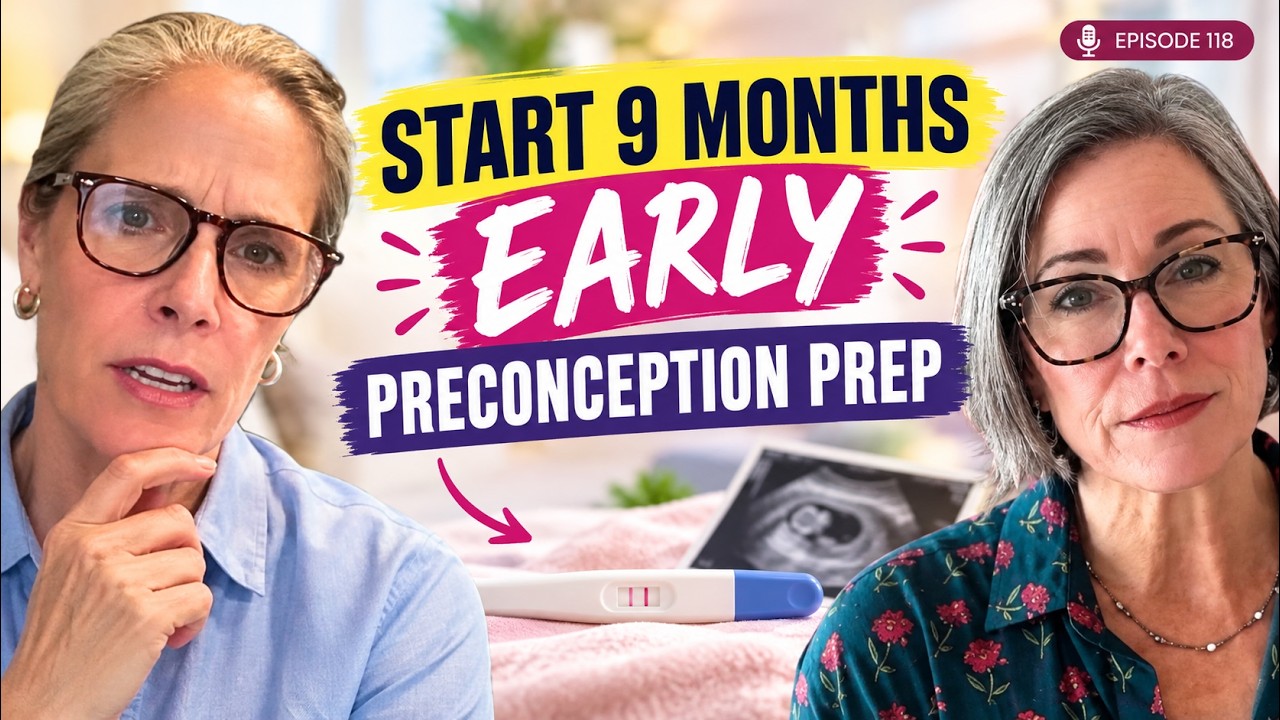
I recently had a conversation with registered dietitian Angela Jenkins about what she calls “the nine months before the nine months.” We talked about food, water, sleep, environmental exposures and the everyday things we live with long before anyone is thinking about a positive pregnancy test. It struck a familiar chord with me because I've spent nearly 25 years encouraging women to think about pregnancy earlier.
Ideally, I'd love to see women and couples several months before they plan to conceive. Of course, that's rarely how it happens. Someone may come to me after trying for six months or a year, when her AMH has come back lower than expected, when IVF has already been recommended, or when an egg retrieval is scheduled and suddenly there is tremendous pressure to do everything possible before it begins. I understand that urgency, but I also wish we talked more about preconception health before fertility became urgent.
Eggs and sperm develop over time. The follicle that eventually ovulates has been developing for months, and sperm production also takes place over a period of months. I think of this as an important window of opportunity, which is one of the reasons I created the Health Youniversity Preconception Plan. I wanted women and couples to have something I felt was missing from fertility care: a way to use those months intentionally, whether they're trying naturally, preparing for IVF, planning an egg retrieval or getting ready for a frozen embryo transfer.
After years of seeing fertility patients, I knew I wanted the program to be something people could use at home. I wanted them to understand what they could do with food, sleep, movement and circulation and why those things mattered. Qigong, guided imagery and TEAS became part of that process because they give someone practices to actually use rather than another collection of fertility advice to read and then wonder how to put into practice.
I also wanted to move the conversation beyond the ovaries. A fertility workup may tell us about AMH, FSH, antral follicle count, reproductive anatomy, ovulation and sperm, and I absolutely want that information. When someone sits across from me, I also want to know how she sleeps, what she eats during a workday, whether she gets an afternoon energy crash, whether she moves her body, whether she's constipated, whether she's living on coffee until lunch, and whether she's taking 14 supplements because someone told her they improve egg quality. All of that tells me more about the person whose ovaries we're discussing.
What Are You Doing Every Day?
Food is usually one of the first places we start, and it doesn't need to be complicated. I want enough protein and healthy fat, along with vegetables, fruits and a good variety of plant foods. I want to know that someone is actually eating meals rather than grabbing whatever is available between meetings, and I pay quite a bit of attention to blood sugar because metabolic health can influence reproductive health.
I don't believe there's one fertility diet everyone should follow. What matters more to me is what someone eats consistently and whether it is providing the nutrients needed to support her health while she's preparing for pregnancy. The same is true of supplements. I use them in my practice and they're part of the Preconception Plan, but I'm concerned when a woman arrives with a shopping bag full of bottles and can't tell me why she's taking half of them. I want supplements to have a purpose and to complement food rather than become the entire fertility strategy.
Water is another good example of something basic that gets overlooked. I can't tell you how many women I ask about hydration who suddenly realize they've had two cups of coffee and perhaps one glass of water by three in the afternoon. Adequate hydration supports normal circulation, digestion, kidney function and cellular physiology, so before we get into sophisticated fertility interventions, I want to know what is happening every day. And water should be purified to remove contaminants typically found in tap water. I prefer reverse-osmosis, which removes most contaminants. You may need to add back humic acid and fulvic acid minerals.
My conversation with Angela also brought us into environmental health, which can become overwhelming very quickly. Once you start reading about plastics, PFAS, pesticides, fragrance, cosmetics and endocrine-disrupting chemicals, it's easy to feel as though everything in your house needs to go. I prefer a more practical approach that looks first at the products and exposures you encounter frequently.
Stop heating food in plastic. Use glass or stainless steel for water. Replace laundry detergent with an unscented one. Take a closer look at the products you put on your skin and in your mouth every morning. Change the cleaning products you use throughout your home.
There are environmental concerns that deserve more specific attention. A history of significant water damage or suspected mold exposure, for example, may warrant professional evaluation. Persistent fatigue, headaches, brain fog or other symptoms have many possible causes, so I wouldn't automatically attribute them to mold or another environmental exposure. I would want those symptoms evaluated in the context of the person's overall health.
About That Word “Detox”
The word detox can be confusing because it now covers everything from normal liver and kidney function to juice cleanses, supplements and highly restrictive programs. Our bodies already have sophisticated systems for processing and eliminating substances every day, and during preconception I am much more interested in supporting those normal processes than putting someone through an aggressive cleanse. That said, if there’s a pressing deadline to get pregnant or if you’ve got symptoms of toxic burden, start with a cleanse. You can find an easy approach that includes whole, healthy food in my Shop Page, including links to free meal guide: https://healthyouniversity.co/shop
Sleep is probably the area I find myself talking about most often. Women will spend late night hours researching the best CoQ10, prenatal or antioxidant for egg quality while regularly sleeping five or six hours a night. Fertility can make us focus on the things we can buy and measure while some of the everyday foundations of health get pushed aside. When someone tells me she's exhausted every morning, wakes repeatedly during the night or stays on her laptop until midnight because work never ends, I want to talk about it. Sleep is involved in metabolic health, immune function, hormone regulation and tissue repair, and I think it deserves a place in preconception care alongside nutrition and supplementation. Getting outside in natural light, creating a more consistent bedtime and reducing evening screen exposure are relatively simple places to begin.
Movement belongs in this conversation too, although I don't necessarily mean adding another scheduled workout to an already overfilled day. Walking after meals, getting up from the computer regularly, strength training and simply spending more time moving can support metabolic health and circulation. I am much more interested in finding movement someone can sustain than creating another fertility rule she feels guilty about when she doesn't follow it.
Bringing Chinese Medicine Into Preconception Care
My background in Traditional Chinese Medicine influences how I think about the entire preconception period. I don't view the menstrual cycle as four weeks in which we should eat, exercise and care for ourselves exactly the same way every day. Menstruation, the follicular phase, ovulation and the luteal phase each have different physiological activity, and the Preconception Plan takes those changing phases into account.
Qigong is one of the ways I bring that thinking into the program. The exercises change according to the menstrual cycle, giving women a way to work with movement, breath and body awareness at home. I also incorporate TEAS, or transcutaneous electrical acupoint stimulation, which uses gentle electrical stimulation through pads placed over acupuncture points. This allows someone to work with specific acupuncture points at home without needles and makes circulation part of her regular preconception routine.
Guided imagery and stress-support practices are included for another reason. Fertility treatment can consume an enormous amount of mental and emotional space, and I want women to have practical ways to support themselves through it. I don't include these practices because I believe stress causes infertility or because relaxing will somehow make someone pregnant. I include them because preparing for pregnancy can be demanding, and resilience matters while you're going through it.
Having a Role in Your Own Fertility Care
One of the hardest things I've watched over the years is how quickly fertility treatment can make a woman feel as though her body has become a project being managed by other people. Her doctor chooses the medication, the ultrasound technician counts the follicles, the embryology lab evaluates the embryos, and then she waits for the next phone call, portal message or blood test.
Medical fertility care is sometimes exactly what is needed, and I have worked alongside reproductive endocrinologists and IVF clinics throughout my career. I also want the woman going through treatment to understand that there are parts of her health she can continue to participate in. She can prepare her meals, use TEAS, practice Qigong, work on sleep and learn what's happening during her menstrual cycle. She can decide which changes in her home make sense and ask better questions about her nutrition, metabolic health and overall well-being.
This doesn't mean that doing everything “right” guarantees a pregnancy. Age, genetics, ovarian reserve, sperm factors, reproductive anatomy and many other variables influence reproduction, and sometimes pregnancy doesn't happen despite excellent medical care and a tremendous amount of effort. Preconception care gives us a way to work on the areas where we do have some influence without pretending that we control the outcome.
That is the thinking behind the Health Youniversity Preconception Plan. Whether you have four weeks, four months or longer before trying to conceive or beginning fertility treatment, that time can be used to understand more about your health and make changes that are appropriate for you. After nearly 25 years of working with fertility patients, I wanted to bring the things I was teaching in my treatment room into a program women and couples could use at home, alongside whatever medical fertility care they may need.
Listen to my full conversation with Angela Jenkins
My conversation with Angela was the starting point for this article. We talk more about her “nine months before the nine months” approach, including food quality, hydration, environmental exposures, sleep and regenerative agriculture.
Continue Supporting Your Fertile Health
Explore the Health Youniversity Preconception Plan:
https://www.healthyouniversity.co/programs
Register for the free 28-Day Detox Masterclass:
https://susanfox1.easywebinar.live/gentle-detox
Schedule a Fertility Assessment Call:
https://healthyouniversity.co/your-fertile-health-call
About Angela Jenkins
Angela Jenkins, RD/LD, is a Registered Dietitian, author, and founder of Health Is Local. As a dietitian for 35 years, Angela has helped people look at nutrition and lifestyle as foundation for health.
After decades in conventional healthcare, Angela became increasingly concerned that many people were receiving treatments for symptoms while the reasons they continued to struggle with fatigue, brain fog, inflammation, hormone imbalances, and chronic illness often remained unexplored. That realization led her to shift her focus from symptom management to helping people understand the biological relationships that drive health.
Angela is the author of Destination Real Food, a guide that reconnects readers with the biological foundations of nourishment in a world increasingly shaped by convenience and ultra-processed foods. She bridges nutrition science, environmental health, regenerative agriculture, and personal responsibility.
Her work is grounded in one simple belief: all health is local. Our health cannot be separated from the food we eat, the environment we live in, or the biological systems that sustain us.
Angela’s mission is to help people stop fearing their symptoms and start understanding them—because when we ask better questions, we make better decisions about our health, our families, and the future of our food systems.
Website: https://www.healthislocal.com/
Facebook: https://www.facebok.com/Healthislocal/
Instagram: https://www.instagram.com/health.is.local/
Contact: https://www.healthislocal.com/cellular-detox-discovery-call
Medical Disclaimer:
By listening to the Health Youniversity podcast, you agree not to use this podcast as medical advice to treat any medical condition for yourself or others. Consult your healthcare provider for any medical issues you may have. This entire disclaimer also pertains to any guests or contributors to any Health Youniversity podcast.