
Reproductive Loss Deserves More Than Medical Follow-Up
Reproductive loss is a medical event, but its impact reaches far beyond the medical care surrounding it. Miscarriage, ectopic pregnancy, stillbirth, termination for medical reasons, infertility, and repeated unsuccessful fertility treatments each carry their own kind of grief. Some losses happen before anyone else knows there was a pregnancy. Others come after months or years of planning, treatment, hope, and imagining a child as part of the family.
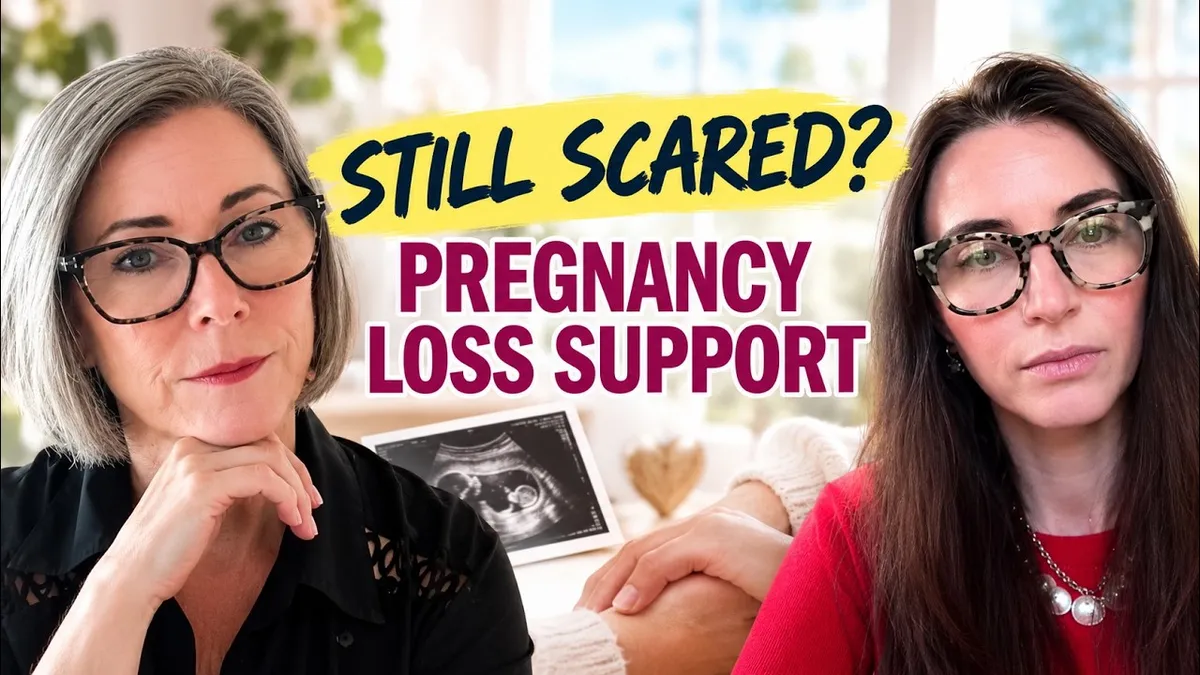
I recently spoke with Jessica Fisher, founder of Lavela Health, on the Health Youniversity podcast about a gap that too many people experience after reproductive loss. Medical care appropriately focuses on what is happening physically and what needs to happen next. Once the appointment or procedure is over, however, many people are left on their own to make sense of the grief, fear, anger, anxiety, and uncertainty that follow.
We need to do a better job of recognizing emotional care as part of reproductive care.
Reproductive Grief Has Its Own Language
A pregnancy loss can change much more than the plans for a pregnancy. It can affect a person's sense of safety, confidence in her body, relationship with her partner, and expectations about the future. For someone already going through infertility treatment, loss may arrive after months or years of medications, procedures, financial investment, and disappointment.
The type of loss matters, too. The experience of an ectopic pregnancy is different from stillbirth. Termination for medical reasons carries circumstances and decisions that are very different from an early miscarriage. Someone preparing for another IVF cycle after repeated failed transfers may be grieving even though there was never a pregnancy to lose.
These experiences have their own medical terminology and emotional terrain. Working with a therapist who understands reproductive health means you do not have to spend half the session explaining IVF, what happened during a transfer, why you are frightened before an ultrasound, or why another pregnancy does not erase the one you lost.
When Well-Meaning Words Hurt
Friends and family often want desperately to make things better. They may say, "At least you know you can get pregnant," or "You can try again." Those words are usually offered with love, yet they can move past the loss before the person experiencing it has had a chance to grieve.
There may also be a point when someone begins protecting the people around her. She stops talking about the same fear because she knows her partner is grieving too. She doesn't want to worry her parents or feels that her friends are ready for her to move forward. She may even become uncomfortable repeating the thoughts that continue to circle in her own mind.
This is one reason professional support can be so valuable. There is room to return to the same fear or question as many times as needed without worrying about exhausting the person listening.
You May Not Know What Kind of Help You Need
One of the challenges after reproductive loss is that you may have no idea what would help. You simply know that you don't feel like yourself.
For one person, that may mean anxiety or difficulty sleeping. Someone else may feel angry, numb, disconnected, or unable to concentrate. Another person may function reasonably well until the next fertility appointment or ultrasound, when the fear suddenly comes rushing back.
Support can take different forms at different times. Some people benefit from seeing a therapist soon after a loss. Others need help with a specific issue, such as returning to work, talking with a child about what happened, or preparing emotionally for another embryo transfer. There are also people who are not ready to talk yet and may begin with written resources or education before seeking therapy.
There is no timetable that tells you when you should be ready.
Pregnancy After Loss Can Bring the Fear Back
A positive pregnancy test after a loss can bring joy and fear into the same moment. An ultrasound that once felt exciting may now bring sweating, nausea, shaking, a racing heart, or an overwhelming sense that something is about to go wrong.
The nervous system learns from frightening experiences. A room, sound, date, procedure, or physical sensation associated with a previous loss can trigger a strong response long after the immediate event has passed.
This is especially important to recognize during pregnancy after loss. Reassurance from a normal appointment may help, but it does not necessarily erase what happened before. Having appropriate emotional support throughout the next pregnancy can give someone a place to work with those fears as they arise instead of feeling that she has to suppress them because she is supposed to be happy now.
How Do You Know When You Need More Support?
Grief does not follow a predictable timeline, so there isn't one point when everyone should seek therapy. There are, however, changes worth paying attention to.
If you have withdrawn from people or activities you once enjoyed, are having persistent difficulty sleeping or eating, find yourself using food or alcohol to numb what you are feeling, or spend much of the day caught in the same fears and thoughts, additional support may be helpful. Intense anxiety surrounding appointments, treatment, or another pregnancy also deserves attention.
You don't have to wait until you are in crisis. Mental health support can be useful much earlier, particularly when you recognize that grief or anxiety is beginning to affect your relationships, work, sleep, or ability to make decisions about fertility treatment.
Finding the Right Therapist Matters
Specialized training is important, and so is the relationship you have with the person providing care. Therapy asks you to talk about experiences that may be difficult to put into words, so feeling comfortable with the clinician matters.
Some people want a therapist who has personal experience with reproductive loss. Others care more about professional training, communication style, cultural understanding, or simply whether they feel a connection with that person. These are legitimate considerations when choosing someone to work with.
Reproductive mental health training adds another important layer. A clinician who understands infertility, pregnancy loss, IVF, pregnancy after loss, and the language surrounding these experiences can begin from a different place because less of the context needs to be explained.
Infertility Carries Grief, Too
We tend to associate reproductive grief with the loss of a pregnancy, yet infertility can bring repeated experiences of loss long before a pregnancy occurs.
There is the cycle that didn't work, the embryo that didn't develop, the retrieval that produced fewer eggs than hoped, the failed transfer, the pregnancy announcement that comes at exactly the wrong moment, and the passing of another month or year without the family you expected to have by now.
Over time, these experiences can accumulate. This is one of the reasons I believe emotional support belongs much earlier in fertility care. We should not wait for someone to become overwhelmed before acknowledging how much she is carrying.
Reproductive Care Needs to Include Emotional Care
Physicians and fertility clinics are working within limited appointment times while managing complicated medical decisions. They can provide excellent medical care and still have neither the time nor the specific training to provide ongoing grief and mental health support.
A more complete approach connects those pieces of care. After a loss, someone may need medical follow-up as her body recovers, emotional support as she processes what happened, help communicating with her partner or family, guidance about returning to work, and eventually support as she considers trying again.
This is also where I see value in creating more than one doorway into care. Therapy may be right for one person. Someone else may begin with education, a support group, or a resource created specifically for the kind of loss she experienced. People should be able to find meaningful support even when they cannot yet articulate exactly what they need.
You Shouldn't Have to Navigate Loss Alone
For nearly 25 years, I have worked with women and couples through fertility treatment, pregnancy, miscarriage, and the long periods of uncertainty that can accompany each of them. I have seen how much attention we give to hormone levels, ultrasounds, procedures, medications, and the next treatment decision. I have also seen how easily the emotional impact can be pushed aside while everyone focuses on what comes next.
I believe that needs to change.
Emotional resilience belongs within reproductive health. Grief, fear, and anxiety influence how someone experiences fertility treatment, another pregnancy, her relationships, and her own body. Giving those experiences appropriate care is part of caring for the whole person.
If you are experiencing reproductive loss, infertility, or pregnancy after loss, finding someone who understands this particular terrain can make an enormous difference. And if you love someone who is going through it, you don't need to find the perfect reassuring words. Listen to what she is telling you, allow her experience to be what it is, and help her find the support she needs when she is ready.
Listen to my full conversation with Jessica Fisher, founder of Lavela Health, on the Health Youniversity podcast.
Continue Supporting Your Fertile Health
Register for the free 28-Day Detox Masterclass:
https://susanfox1.easywebinar.live/gentle-detox
Take the FREE Fertility Quiz:
http://yourfertilityquiz.com/
Explore the Health Youniversity Preconception Plan:
https://www.healthyouniversity.co/programs
Jessica Fisher is the founder of Lavela Health, a platform dedicated to ensuring that infertility and reproductive loss are met with the clarity, compassion, and clinical expertise they deserve.
After navigating her own journey through reproductive loss, Jess became a fierce advocate for those who feel unseen and unsupported by traditional healthcare systems and built Lavela Health to fill that gap — offering guidance, community, and expert-backed resources to women who have experienced loss.
Jess speaks openly and honestly about grief, resilience, the path forward, and entrepreneurship. Her story resonates deeply with audiences navigating loss, health challenges, and motherhood as a first-time founder.
Learn more about Lavela Health here: https://lavelahealth.com
Follow Lavela Health on Instagram: https://www.instagram.com/lavelahealth/
Follow Lavela Health on LinkedIn: https://www.linkedin.com/company/lavela-health/
Medical Disclaimer:
By listening to the Health Youniversity podcast, you agree not to use this podcast as medical advice to treat any medical condition for yourself or others. Consult your healthcare provider for any medical issues you may have. This entire disclaimer also pertains to any guests or contributors to any Health Youniversity podcast.